ไทย
ไทย
 English

Chiang Mai Doi Ang Khang Palong Ang Khang
http://www.hotsia.com > ชาวปะหล่อง บ้านนอแล ดอยอ่างขาง เมื่อผมเดินทางมาเที่ยวดอยอ่างขางได้เห็นจากข้อมูลว่ามีชาวเผ่าปะหล่องที่บ้านนอแล เขตชายแดนไทยพม่า จึงไปเที่ยวทันที ในวันที่ผมไปนั้นเป็นวันออกพรรษพอดีเลย ชาวปะหล่องเขาจะมีพิธีการของเขา เนื่องจากชาวปะหล่องนับถือศาสนาพุทธ จึงมีวัดและมีพิธีการในวันนี้ เป็นโชคดีของผมจริงๆครับ
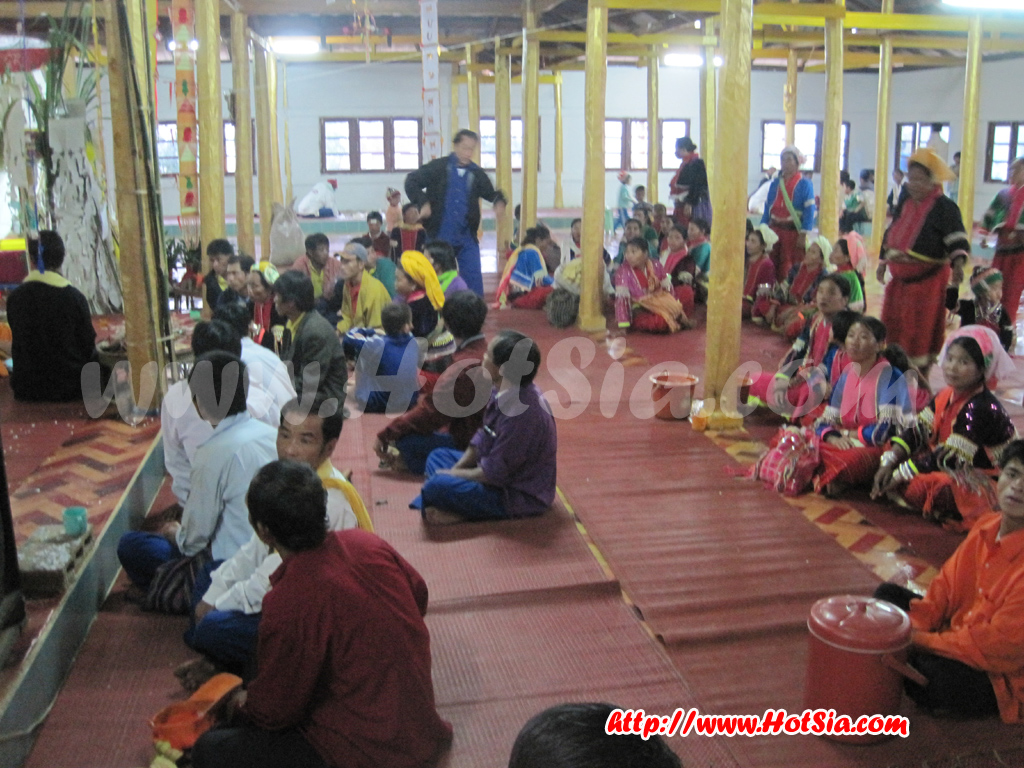
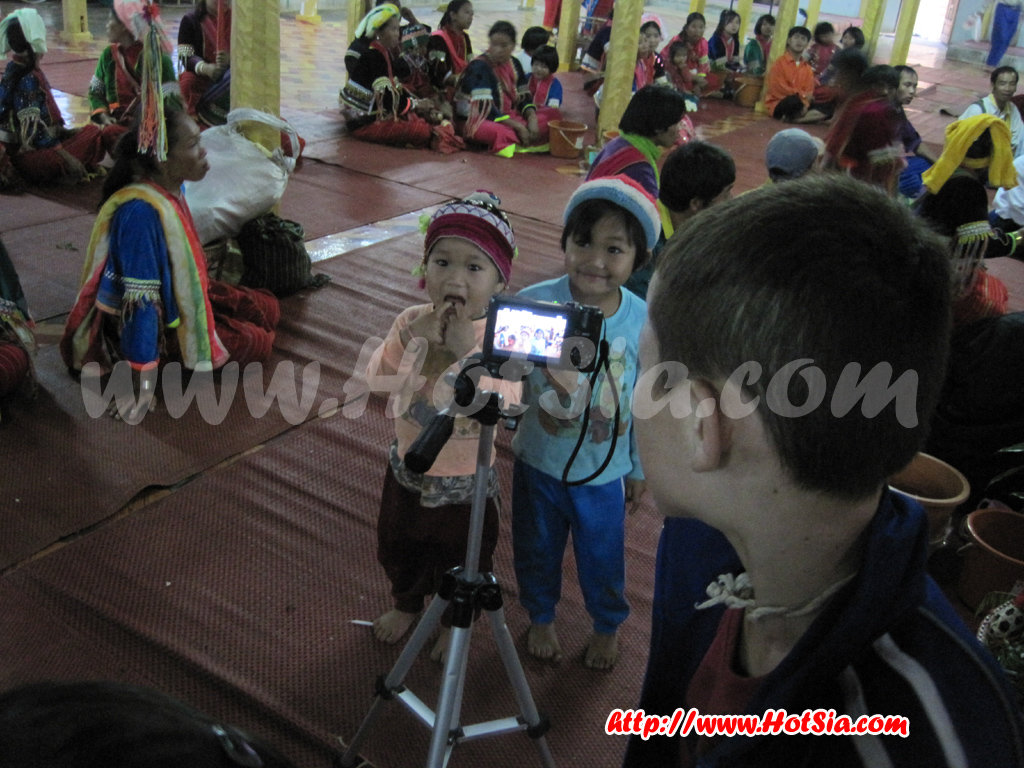
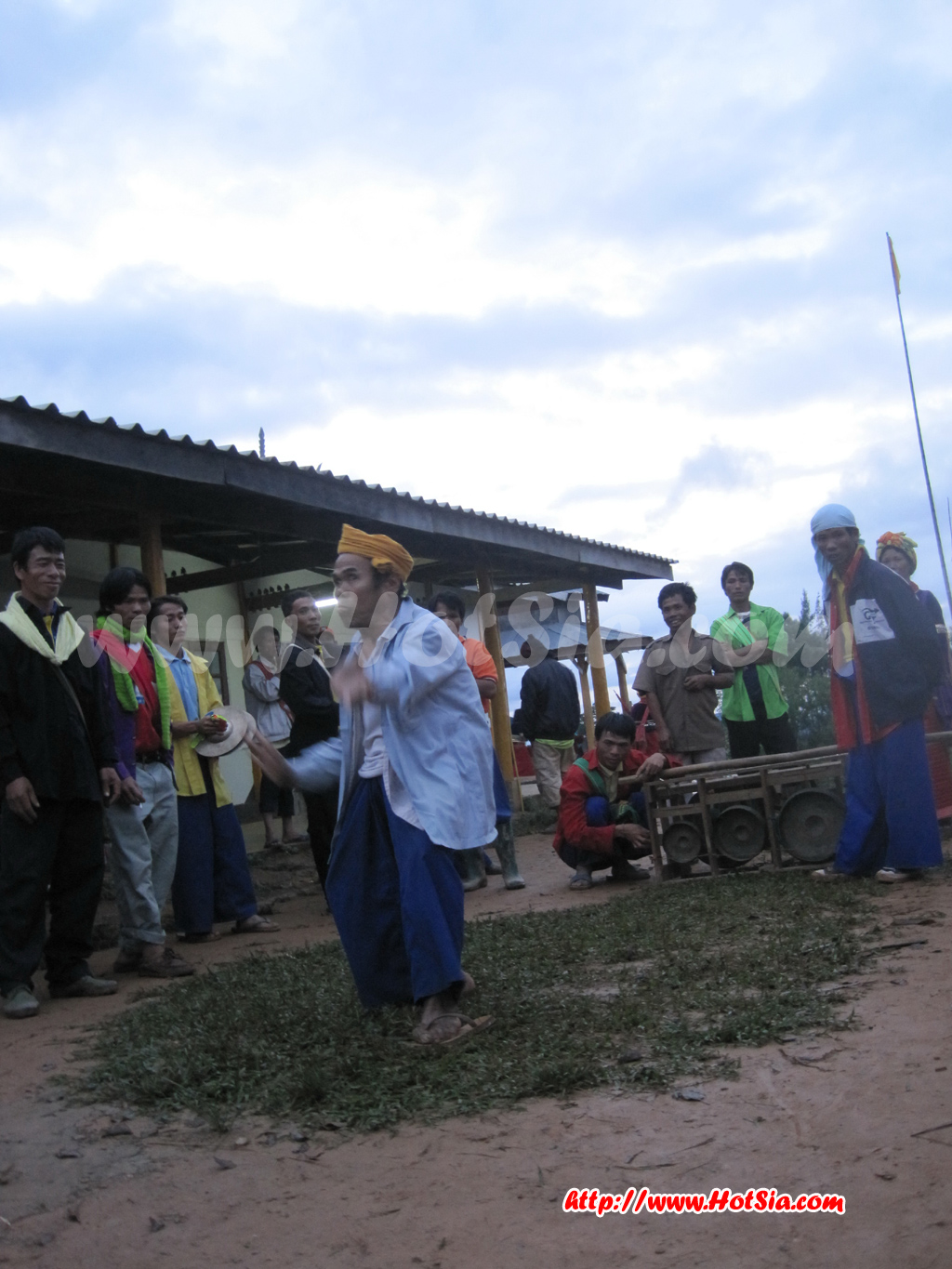
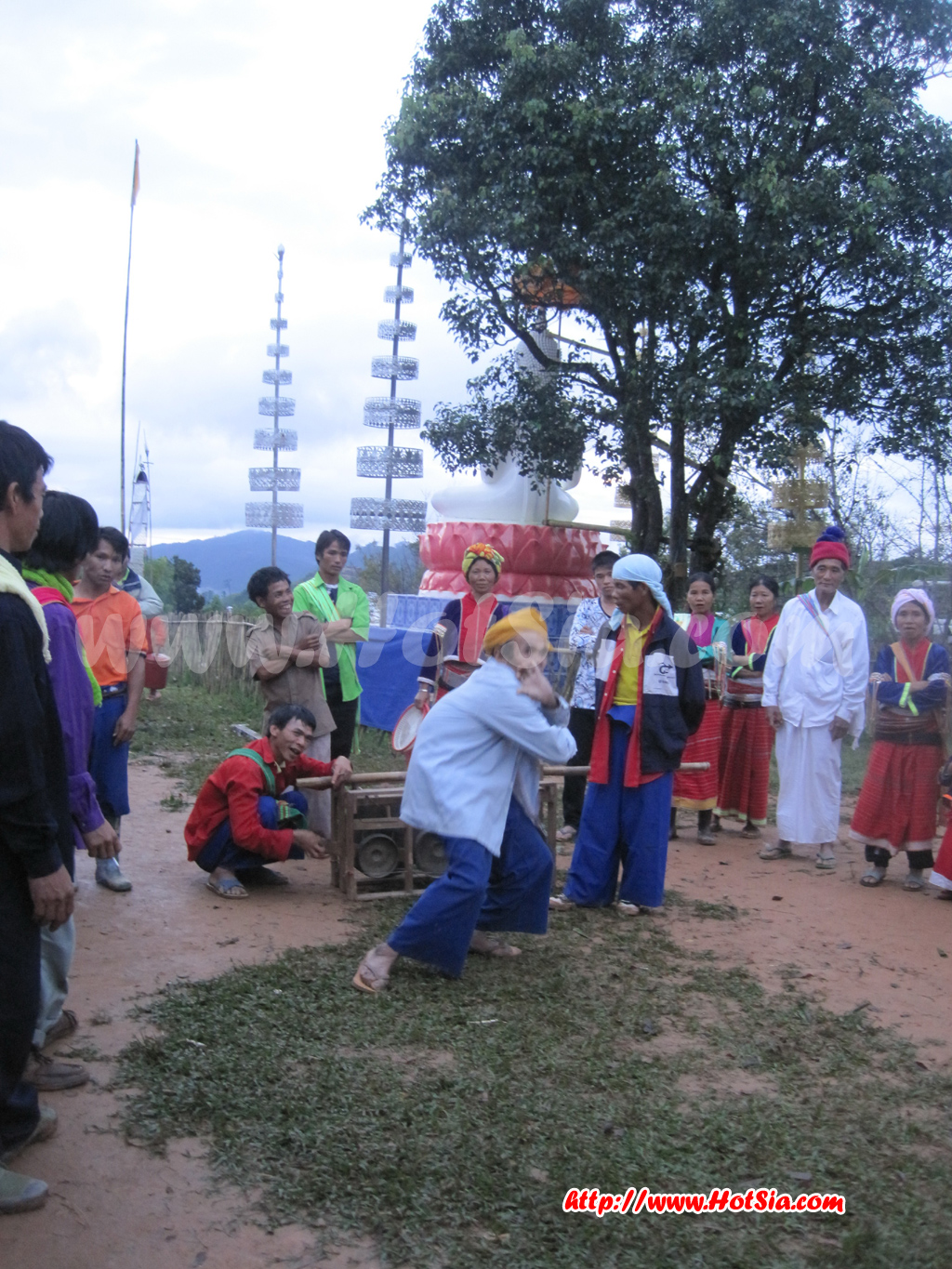
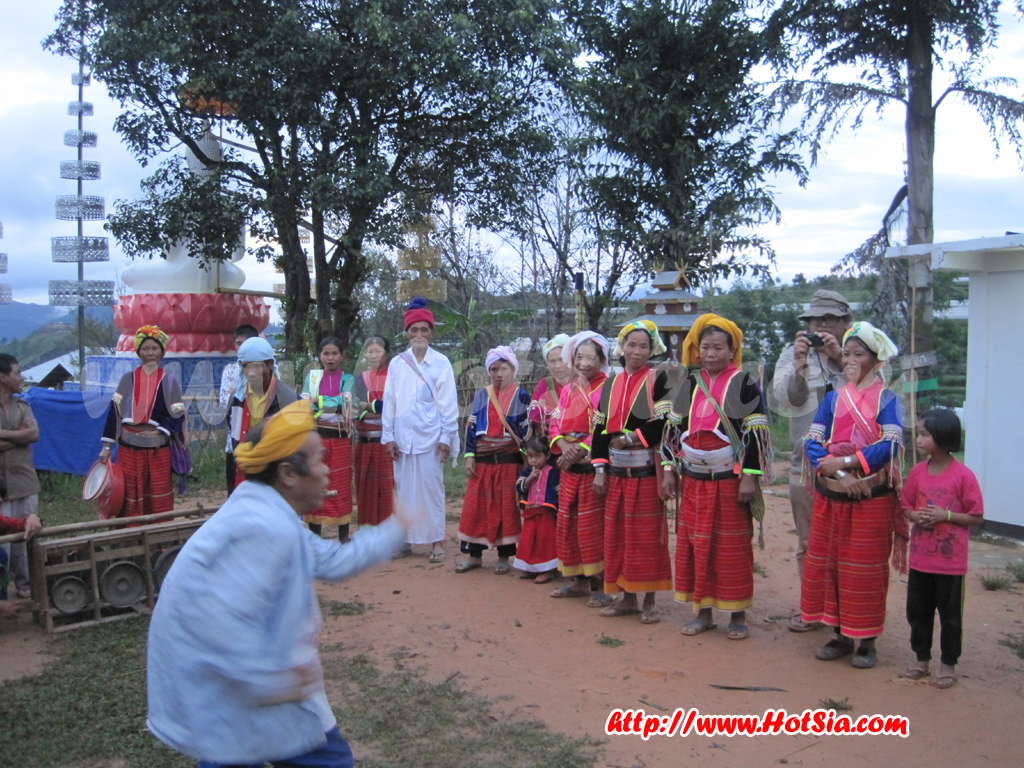
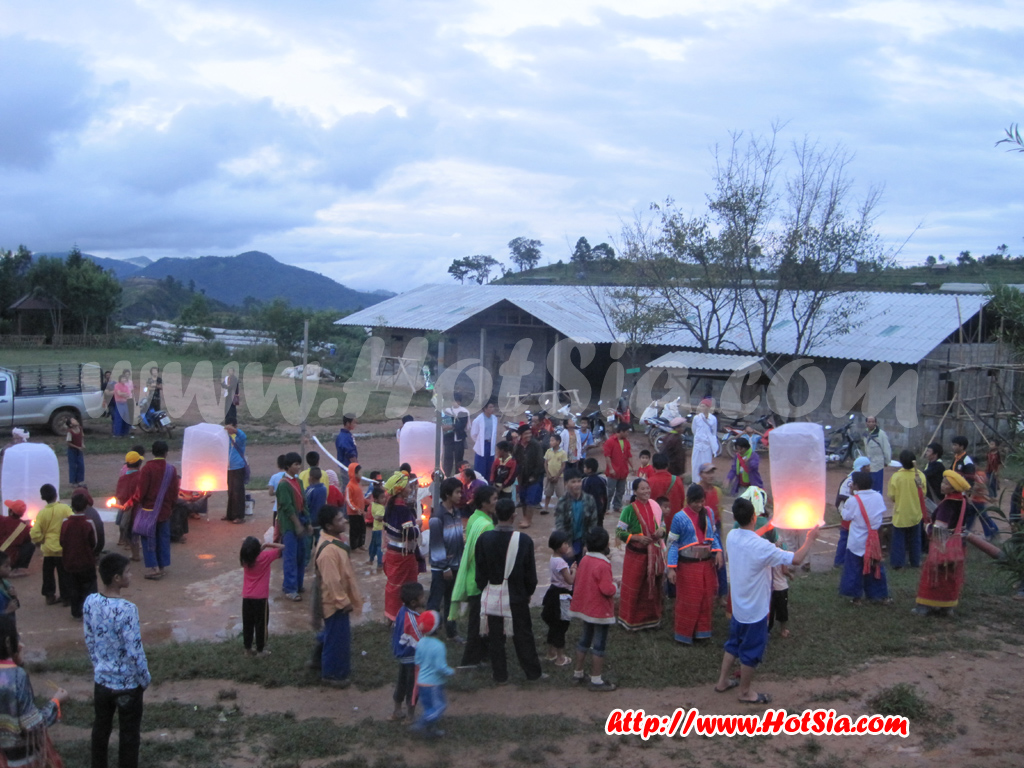
I followed the sound of music to Nor Lae Temple. Today, all the Palong women in the village wore bright red clothes in full traditional Palong attire. Inside the temple, monks were seated, and Palong women were reciting some kind of poetry that I couldn't understand because the Palong people have their own language. Several people were sitting in the temple hall. Outside, there was Palong music consisting of gongs, drums, and cymbals, accompanied by traditional dance performances that looked somewhat similar to Burmese style. At the end, there was a ceremony to release Yi Peng lanterns.
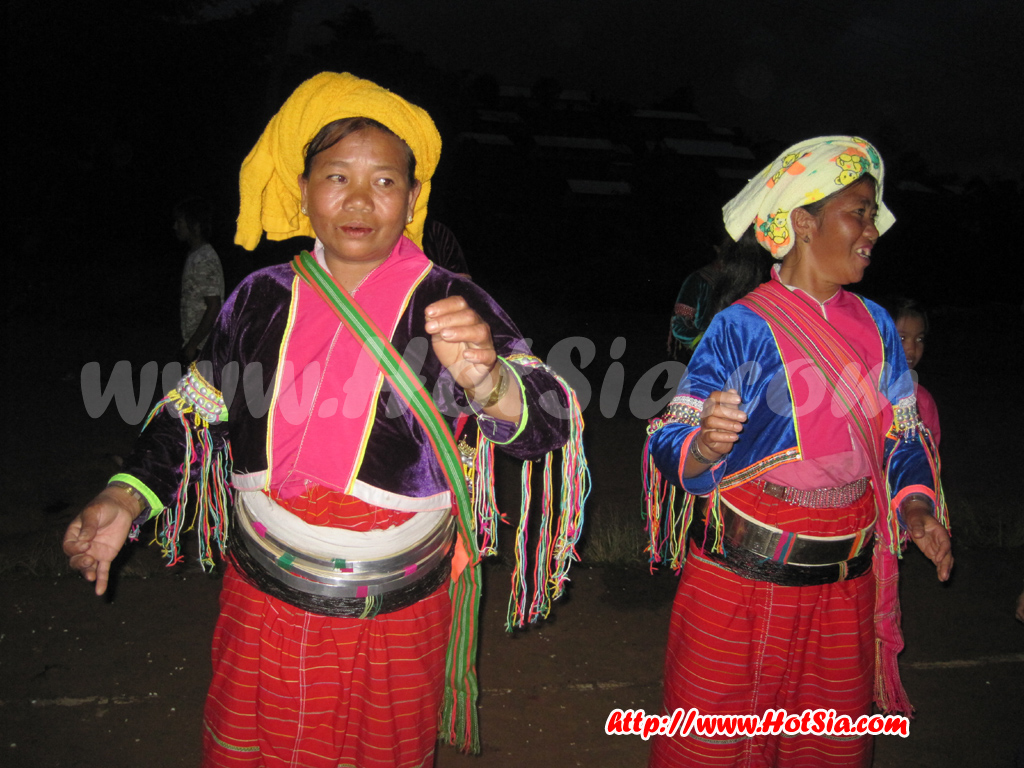
There was music and ancient Palong singing. During this time, the Palong people raised their hands in respect and sang songs. The atmosphere was very mystical; I felt goosebumps as I had never experienced anything like this before. I watched their ceremony until it ended in the evening and walked down from the temple with them. Along the way, they sang and played gongs, drums, and cymbals continuously. They invited me to stay and watch the ceremony the next day and to rest in the village, but I did not accept because I had to go shoot the nighttime atmosphere at Doi Mae Salong. Palong people dancing at Nor Lae Temple.
The Palong people's Yi Peng lantern trial. For the Palong people at Nor Lae village, I read information at the Nor Lae base. The Palong people submitted a petition to our King and have lived in Nor Lae since the year. Additional information about the Palong people is available from Northern Culture (http://www.baanmaha.com/community/thread32873.html). The Palong live in Chiang Mai Province in four villages: Nor Lae, Huai Mak Liam, Suan Cha in Fang District, and Pang Daeng in Chiang Dao District.
The Palong people call themselves Ta-ang. The word 'Palong' comes from the Tai Yai language. Some Tai Yai groups call them 'Khun Loy,' meaning mountain people. The Burmese call them 'Pa Luang.' Most Palong people live in the northwest of Shan State, Kachin State in Myanmar, and Yunnan in China. The Palong in Thailand migrated from Myanmar around 1984 and call themselves 'Da-ang, ra-rang, ta-ang.' Documentation.
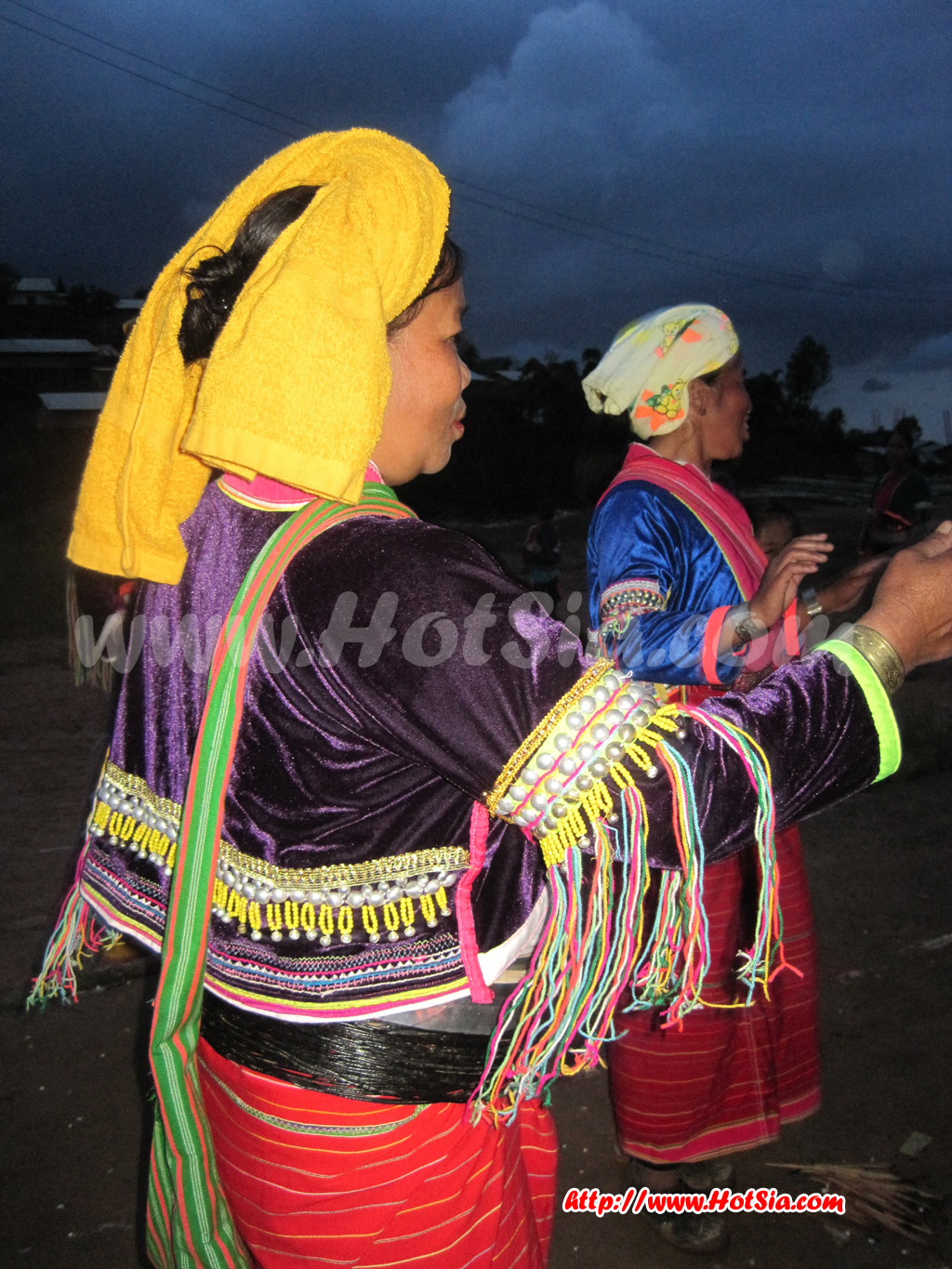
Several historical accounts say the Palong people were citizens under the rule of the Shan principality of Saenwi. The attire of Palong women is a distinctive tribal identity, involving wearing rattan rings lacquered and carved or using thin dyed rattan strands woven into patterns. Some use metal, silver-like sheets cut into long strips with embossed patterns and curled into rings worn together. The Palong call the waist ring 'Nong Wong.' Palong women wear 'Nong Wong' all the time, believing that
it symbolizes being descendants of a fairy. There is a legend passed down that a fairy named 'Hroi Ngern' descended to the human world but unfortunately got caught by the Muser group and could not return to heaven. She had to live in the human world and became the ancestor of many groups. The Palong believe they are descendants of the fairy Hroi Ngern, so they must wear 'Nong Wong,' which is like a trap ring symbol.
to always remember the fairy Hroi Ngern. The Palong believe that wearing 'Nong Wong' brings happiness and that when they die, they will ascend to heaven. Removing it would invite misfortune. Palong women usually wear it all the time, even while sleeping. Palong women sing and dance during the lantern release ceremony. At the Yi Peng lantern ceremony, Palong men and women often show their status by gilding their teeth with metal resembling gold and adorning themselves with colorful gems.
Marriage among the Palong: young Palong men and women generally do not marry outside their tribe. Meetings usually occur during ceremonies or merit-making events. When a young man likes a woman, he finds an opportunity to visit her house at night, playing a flute or plucking a sueng as a signal for the woman to open the door. If the woman is not reluctant, she opens the door and they talk by the fireplace. Once they agree to marry, the groom's parents formally propose. The wedding ceremony includes offerings to the spirits of the house and ancestors.
On the day of hand-tying, the couple goes to make merit at the temple. After marriage, the woman moves to live with the husband's family. The Palong believe in spirits alongside Buddhism, believing spirits exist at two levels: one called 'Kabu,' the spirit of living beings, and 'Kanam,' the spirit inhabiting non-living things like trees and mountains. They believe each person has these two spirits protecting them.
In the Palong village, there is a spirit shrine called 'Damuming,' the dwelling of the village guardian spirits. The shrine is located above the village, surrounded by a fence. There are two annual ceremonies to honor the guardian spirits: before and after the Buddhist Lent. The ceremony before Lent is called 'Hiang Kanam,' informing the spirits that villagers will abstain from sexual relations and marriages during Lent.
Then they perform the closing ceremony of the spirit shrine door called 'Kapi Samoeng.' Near the end of Lent, they perform the opening ceremony called 'Wa Samoeng,' signaling the marriage season is approaching. Every household participates by bringing boiled and chopped chicken to the shrine. A ritual leader called 'Dai Yan' conducts the ceremony to inform the guardian spirits.
The Palong people's occupation is shifting agriculture. They grow crops such as rice, beans, corn, tobacco, chili, sugarcane, and cassava. Livestock includes goats, sheep, ducks, chickens, and horses. Their diet includes meats like horse, tiger, bear, and fish. Additional information from Wikipedia (Chinese: 德昂族; Pinyin: Déáng Zú) states they are one of the 56 ethnic groups in China. Some Palong also live in Myanmar.
Some have migrated to Thailand near the border close to Doi Ang Khang, Fang District, Chiang Mai Province. The Palong speak a Mon-Khmer language called Palong. In 1949, the Palong in China were called Benglong. In 1985, the name changed to De Ang following the ethnic group's request. Most Palong houses are made of bamboo with wooden frames, doors facing east, and each family has its own house.