ไทย
ไทย
 English

Chiang Mai: Making Nam Poo (Crab Sauce)
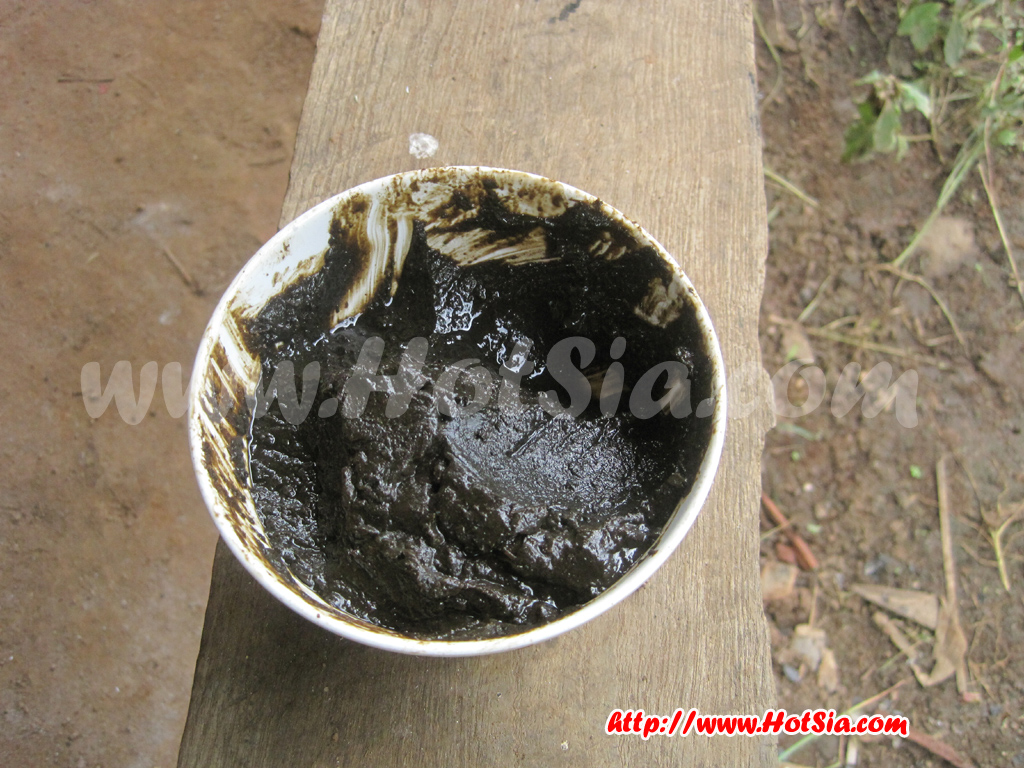
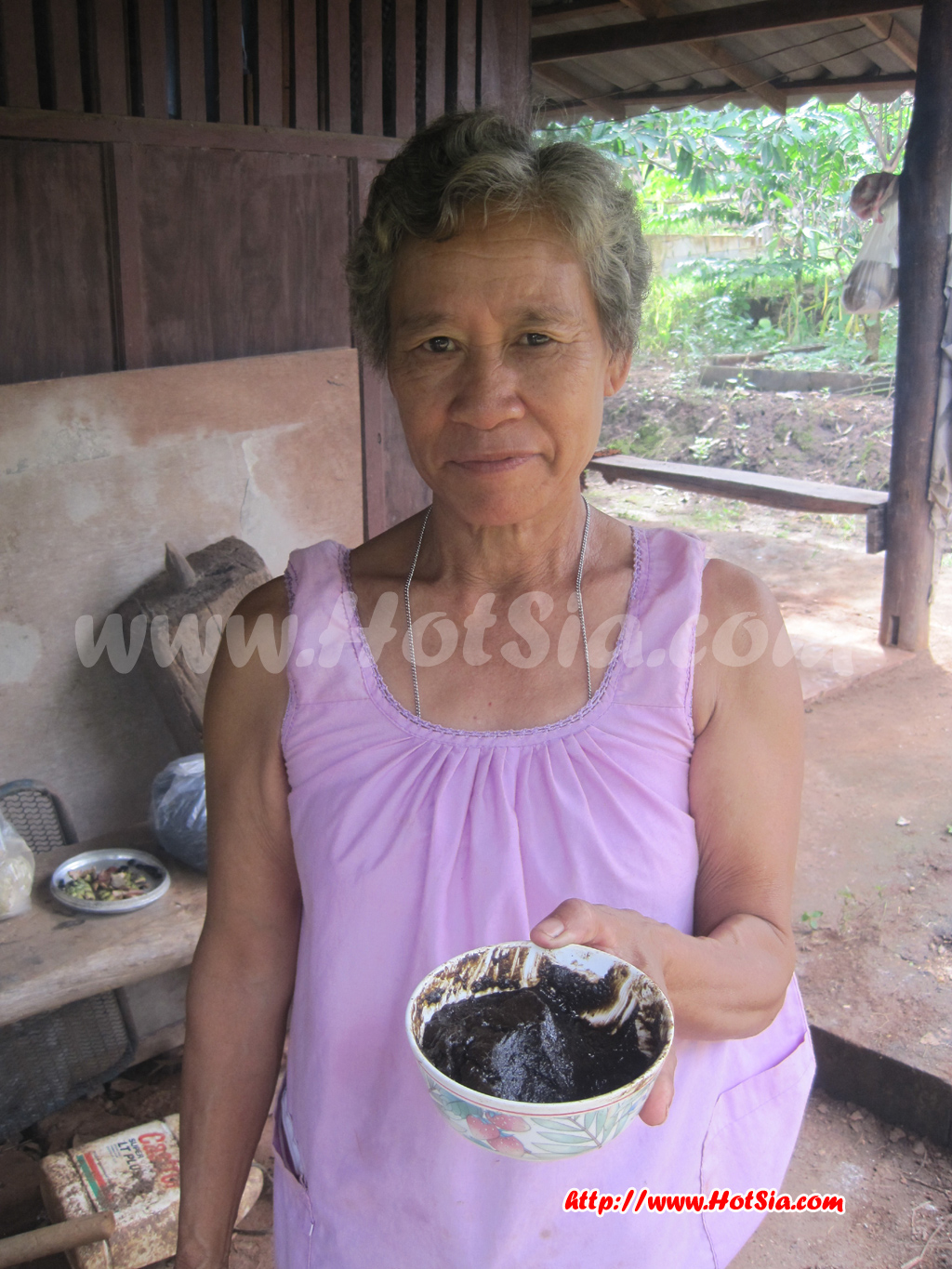
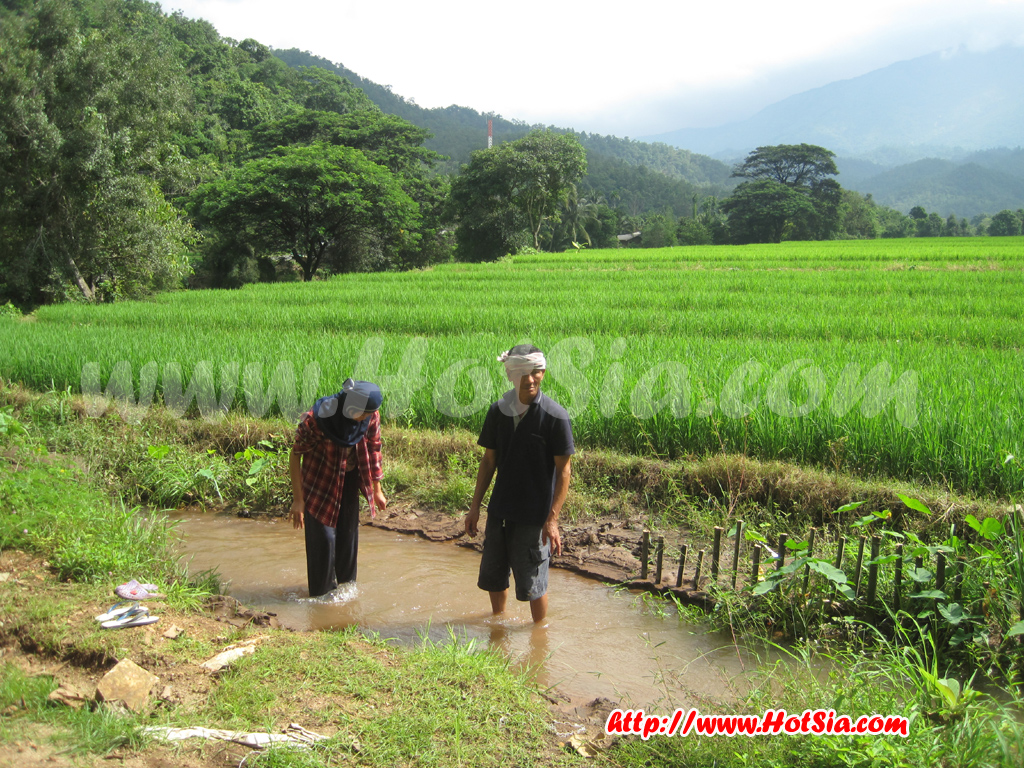
http://www.hotsia.com > > Making Nam Poo, the ultimate dish of Mae Chaem locals. I traveled to Mae Chaem, a new tourist district not widely known. There, I found villagers making Nam Poo. The smell was strong and unpleasant at first, but once cooked, it became fragrant. I wanted to learn how they made it and where they sourced the crabs, so I joined the locals to catch crabs and filmed the process of catching field crabs and making Nam Poo to share with friends. Mae Chaem people regularly make Nam Poo and use it as a substitute for fermented fish and shrimp paste in many dishes.
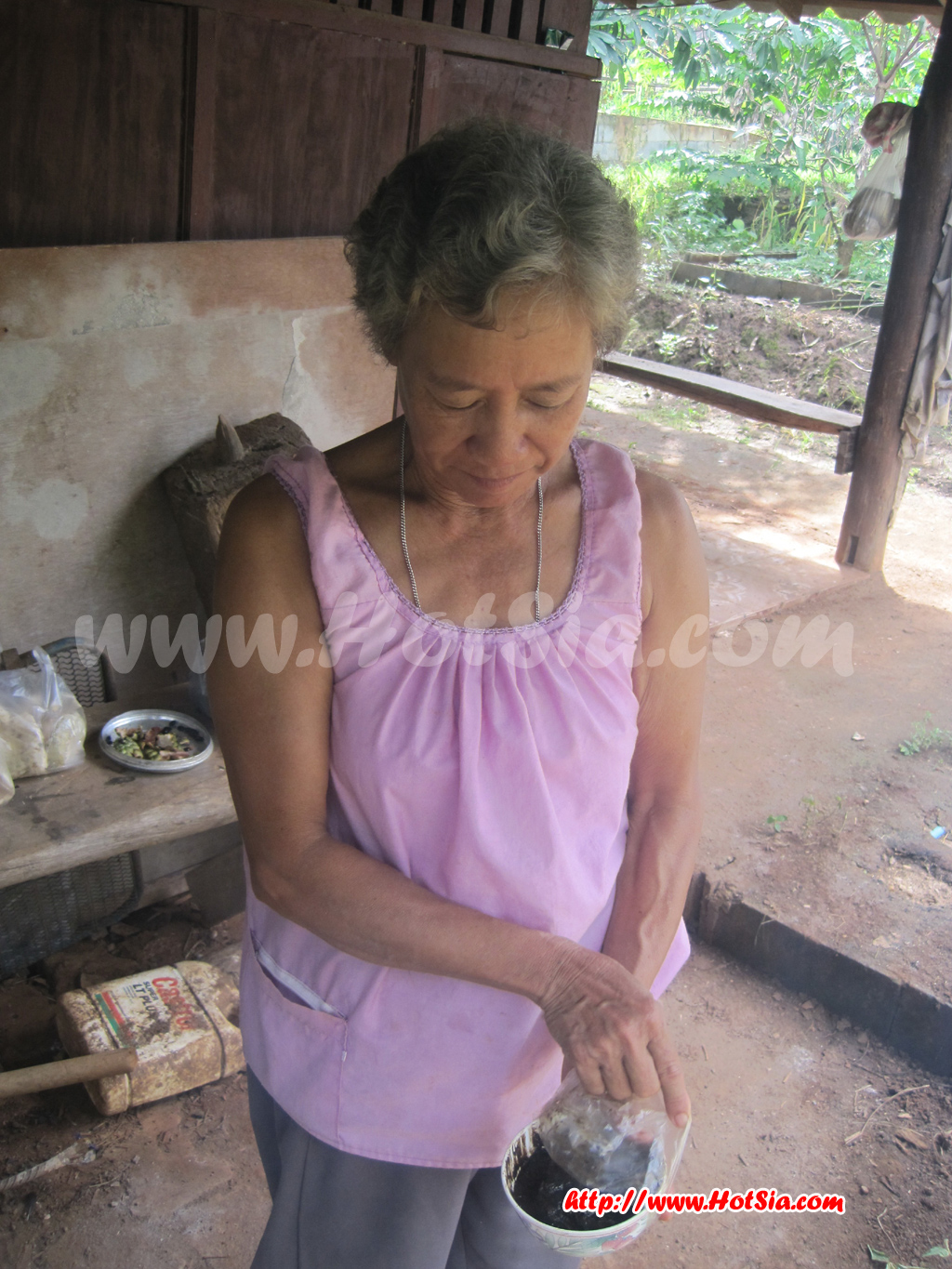
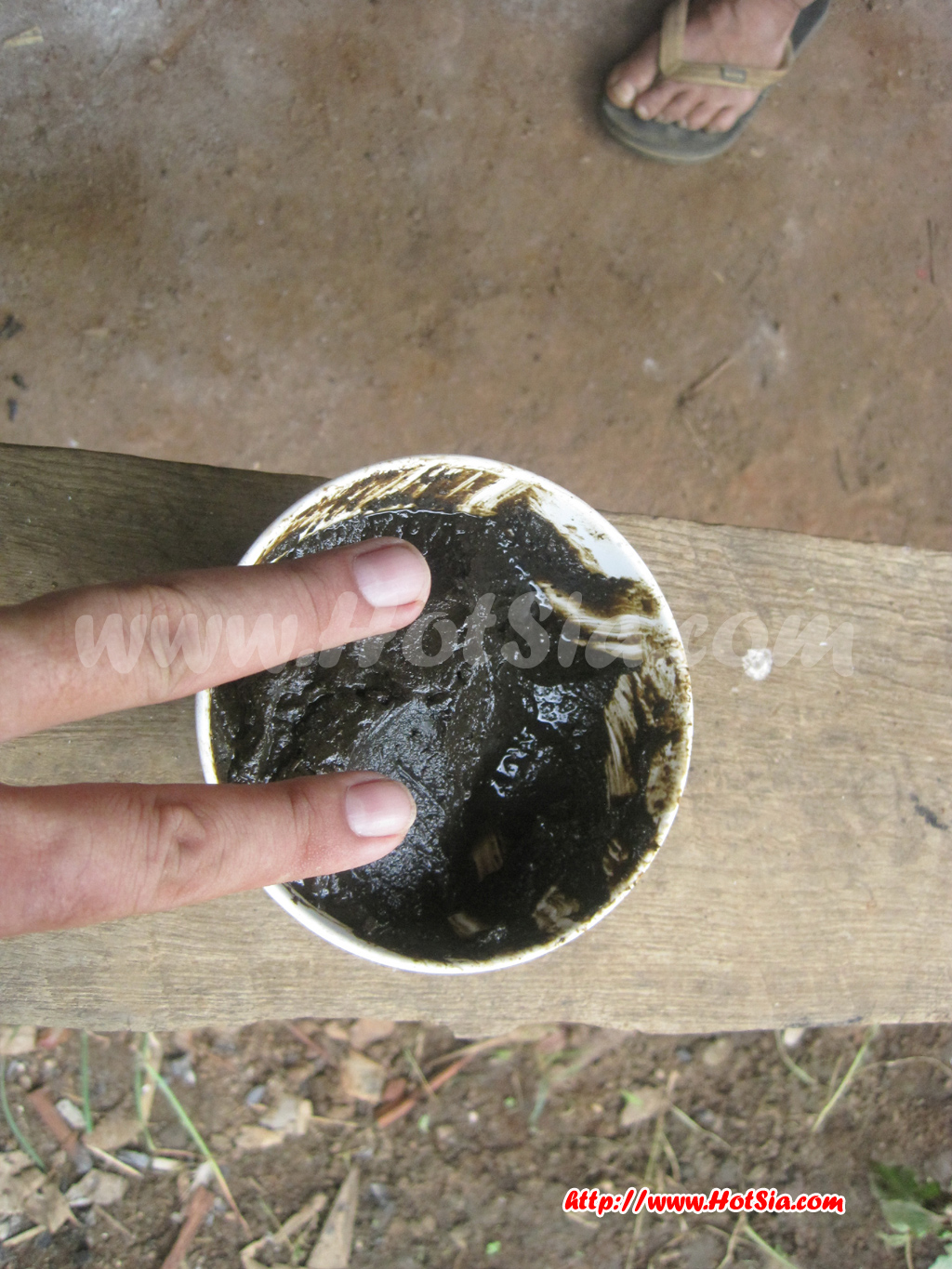
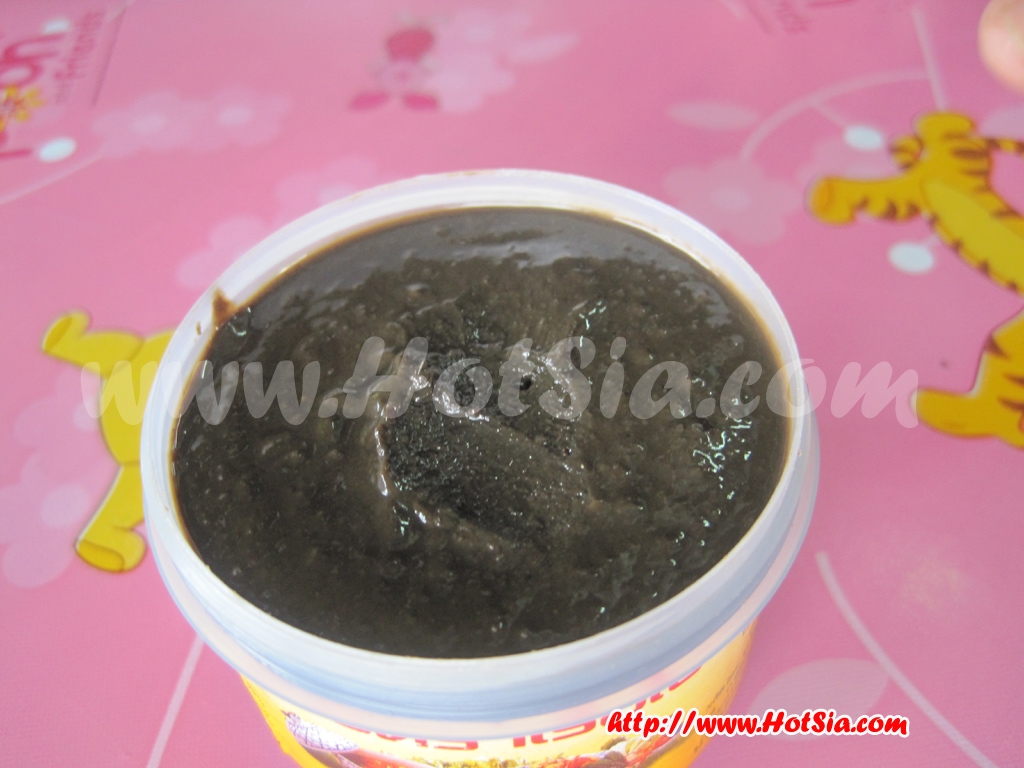
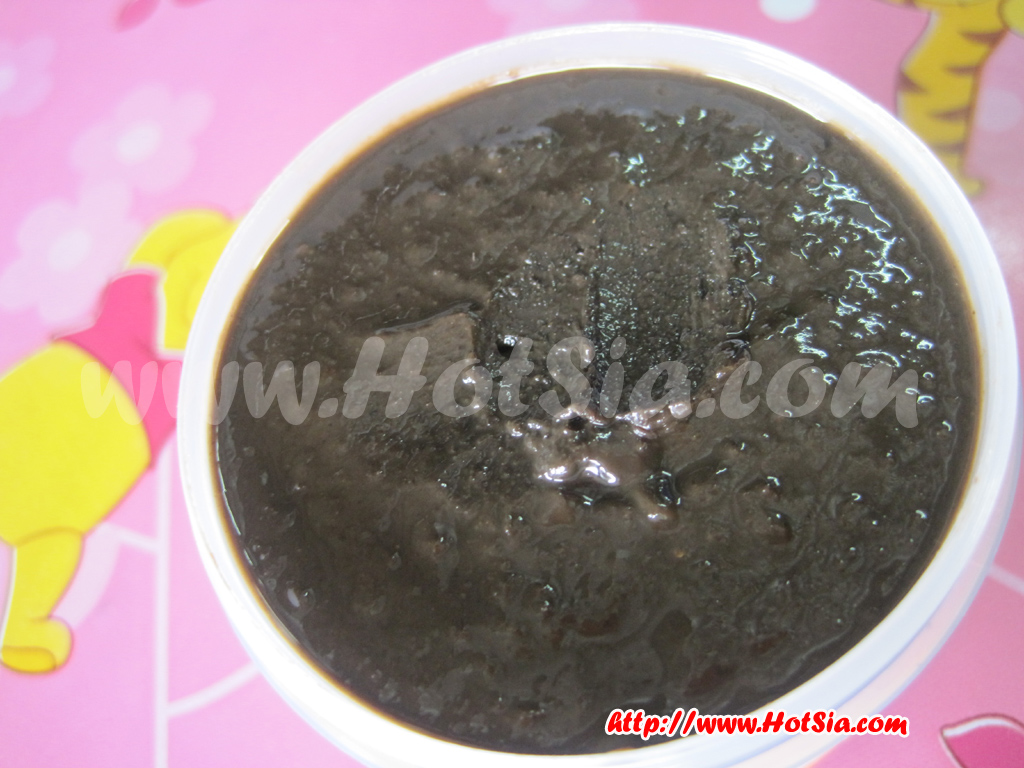
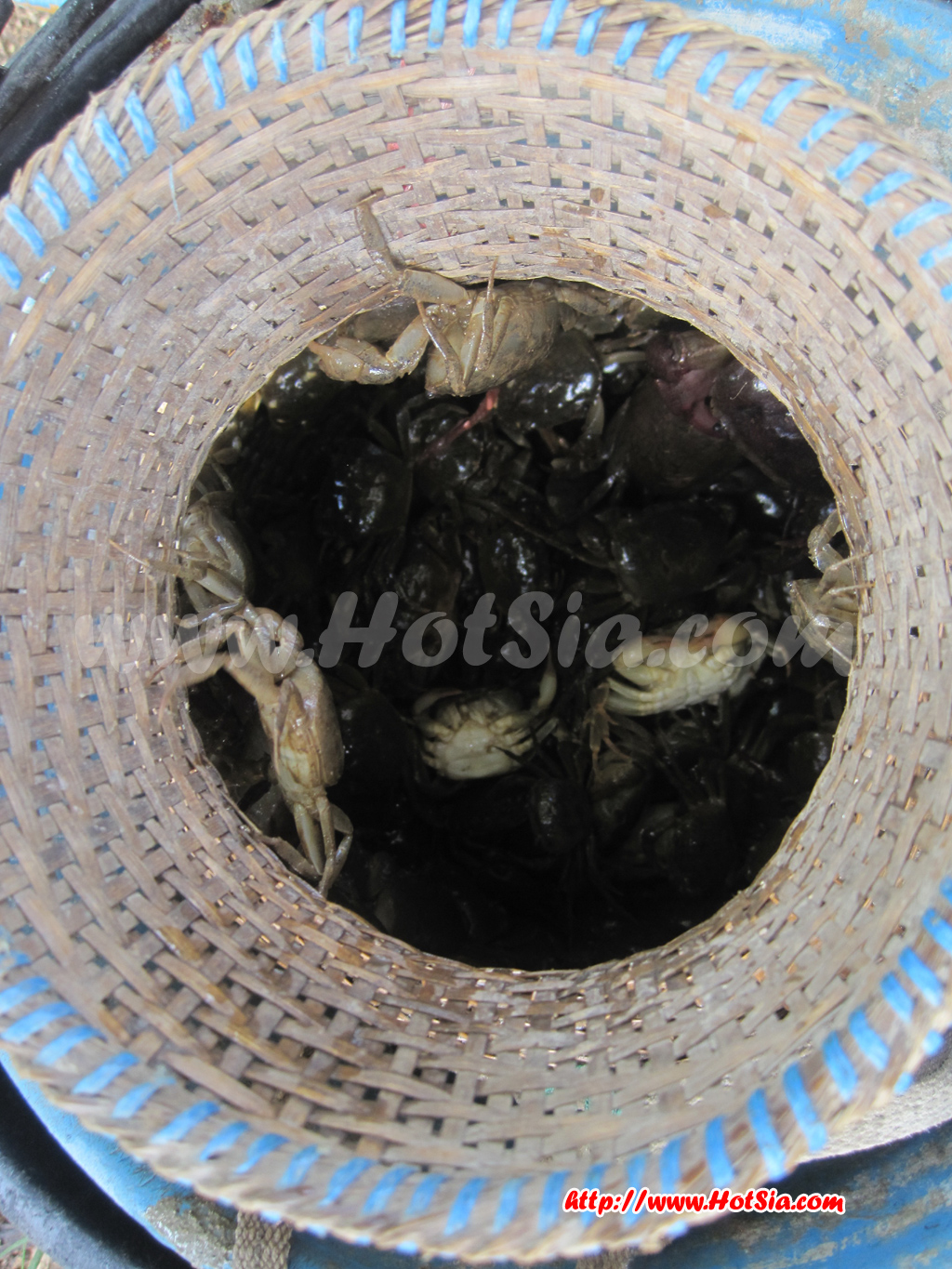
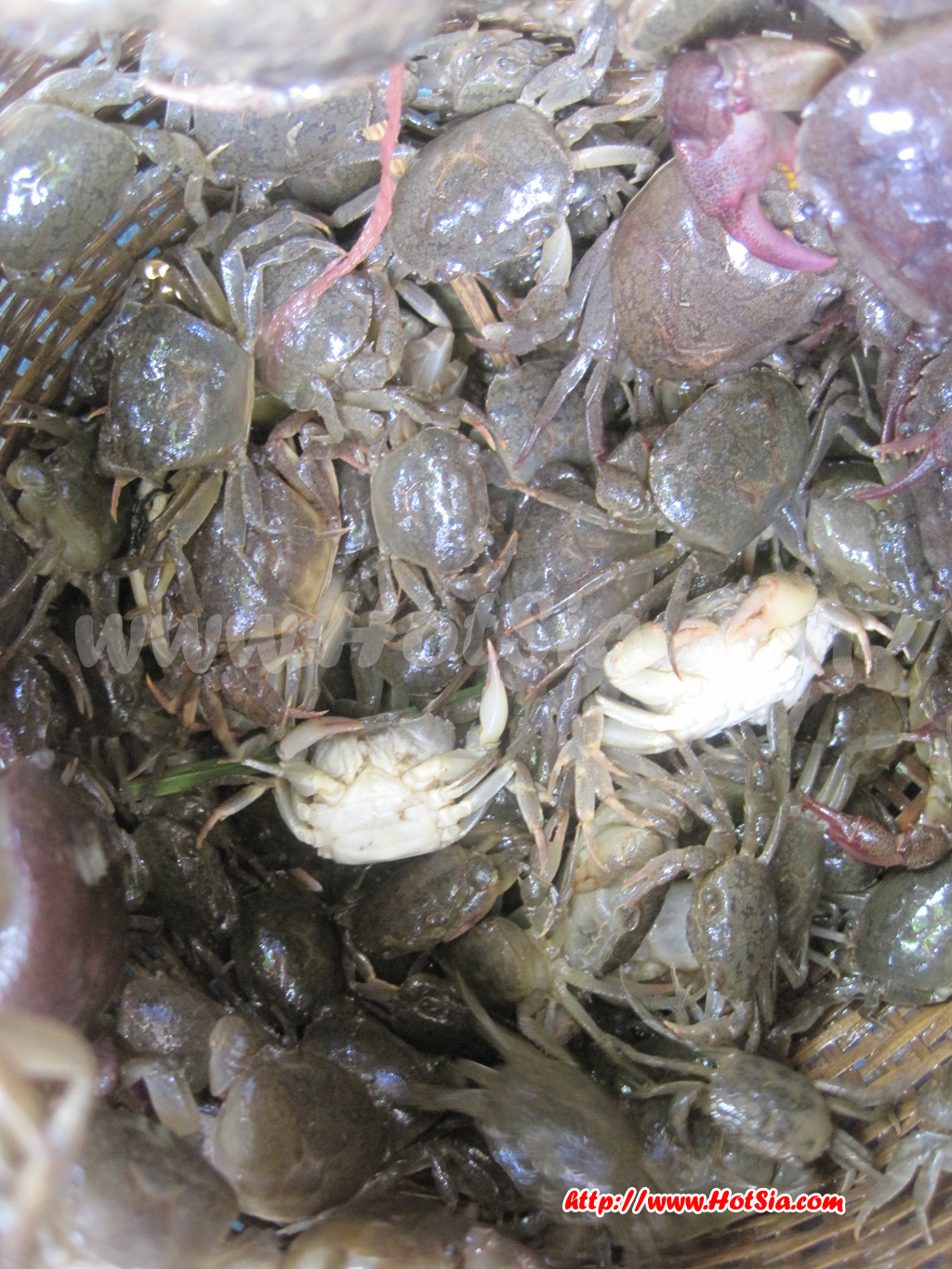
Nam Poo, when finished, is thick and black with great nutritional value, including calcium and vitamins. Nam Poo, or 'Nam Poo' in Northern dialect, is made from field crabs caught in rice fields. They are boiled overnight and then simmered until thick and black. It can be used as a substitute for shrimp paste. I saw Mae Chaem locals eat it and add it to various dishes such as bamboo shoot curry, bamboo shoot salad, Nam Poo chili dip, and mixed with sticky rice (Northern people call it 'bai Nam Poo').
Nam Poo chili dip uses either roasted fresh chili or roasted dried chili powder, depending on preference. Field crabs are also found in my hometown Bang Bo. They come out at night to feed on young rice plants, damaging the crops. Farmers use flashlights to catch them at night. My family also catches them at night, mostly boiling them to eat with hot rice. But in the North, they mainly use them to make Nam Poo. Mae Chaem's Nam Poo is famous and not ordinary. They package it for sale in markets and nearby homes.
If a household doesn't make it, they can buy it. Mae Chaem locals told me that around Chiang Mai, people know Mae Chaem's Nam Poo is truly delicious. Nam Poo is made by boiling crabs and simmering until it becomes a sauce that can replace shrimp paste. I took you to see Mae Chaem locals catching crabs in rice fields to make Nam Poo. Here's a clip talking with locals catching crabs: http://www.youtube.com/watch?v=cacx0GpOU28 Mr.Hotsia filming the crab catching, photos by Marpin, the author and Asian backpacker. I went crab hunting with farmers in Mae Chaem.
Nam Poo is not watery but thick and sticky, ready to use in cooking. It smells wonderful and you will definitely enjoy it. On my trip to Mae Chaem, Mr.Hotsia introduces you to Nam Poo. Explore Mae Chaem's terraced rice fields, Hot Coffee Mae Na Jon, Jaeng Muang Mae Chaem restaurant, Pam View Hotel Mae Chaem, and Wat Phuttha En's spring water.