ไทย
ไทย
 English

Chiang Mai Travel: Mae Tuen
http://www.hotsia.com > Ultimate Journey - The Broken Bridge at Mae Tuen. Mae Tuen is a subdistrict of Omkoi District, Chiang Mai Province. Mae Tuen lies to the south of Omkoi; if you continue further south for several kilometers, you can reach Tak Province. I drove from Omkoi to Mae Tuen, a distance of 70 kilometers, passing the Doi Muser viewpoint and the entrance to Doi Mon Jong, arriving at the end of the national highway at Mae Tuen. Beyond this point, the road continues for another kilometer inside the village.
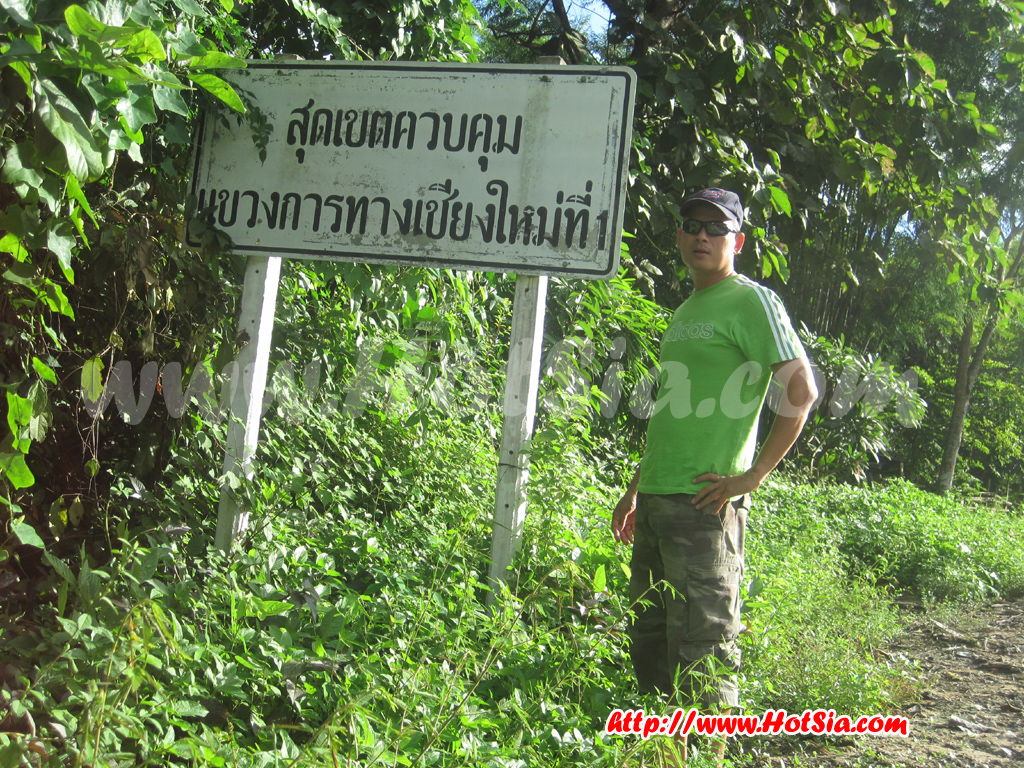
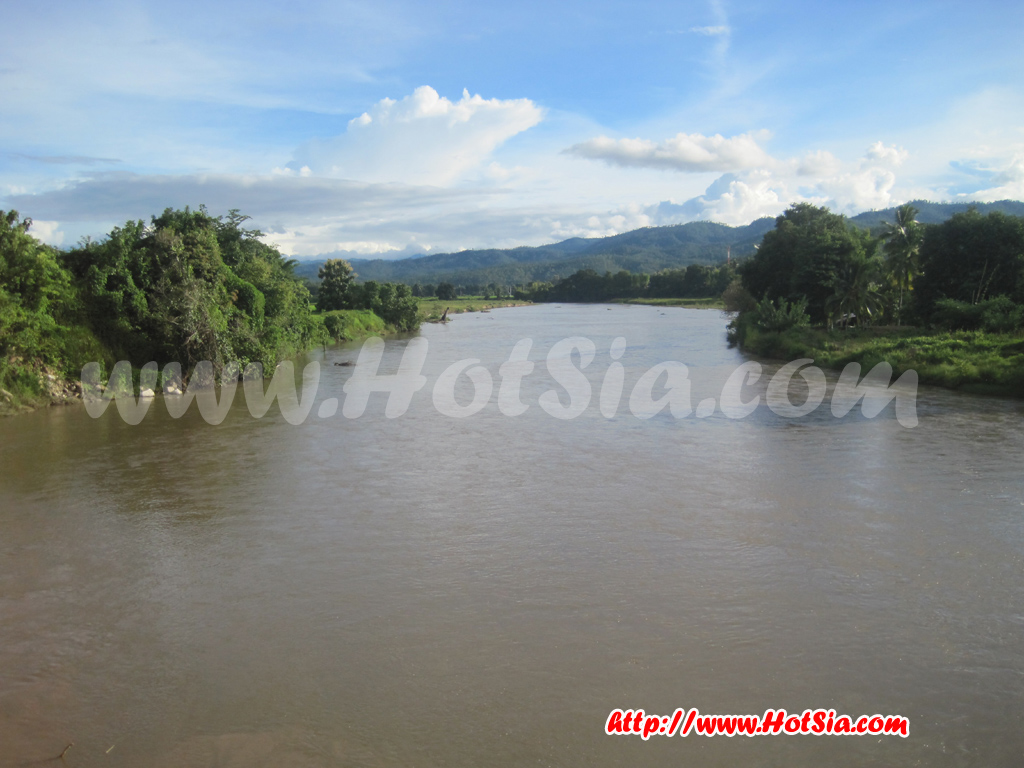
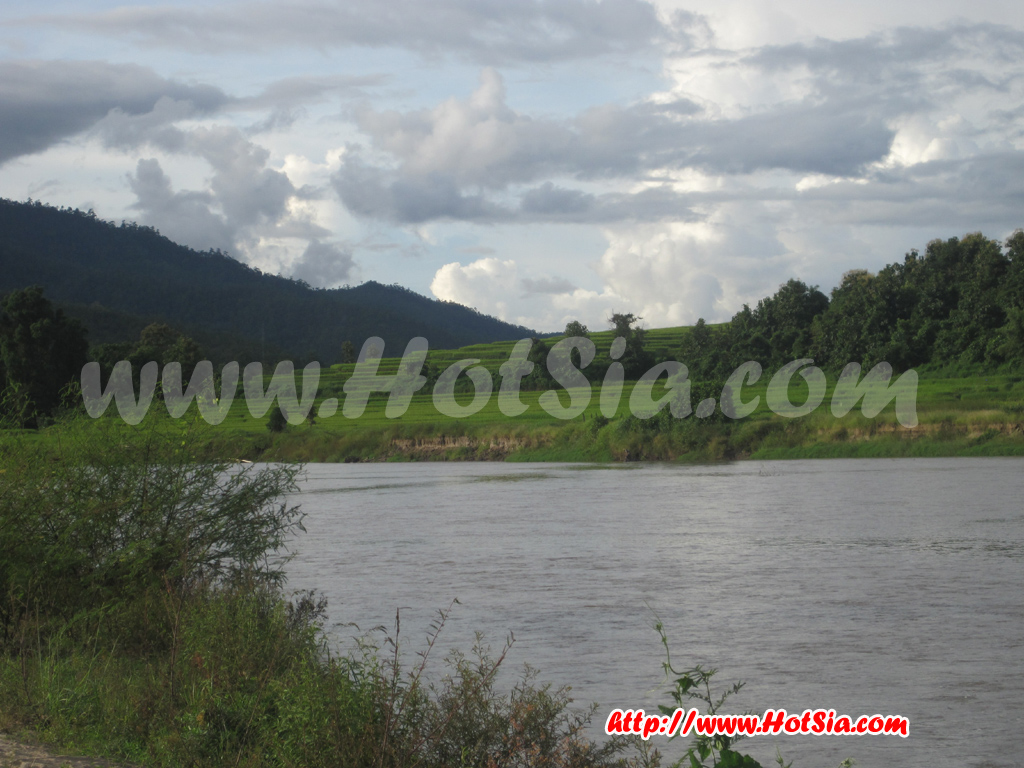
Beyond that, the road was dug by local villagers for travel to Tak Province. The route from Mae Tuen to Tak is only passable in the dry season and requires a 4WD vehicle. Mae Tuen is a small subdistrict with the Mae Tuen River, known locally as Nam Mae Tuen, flowing through it into the north of the Bhumibol Dam in Tak Province. During the dry season, the Ping River's water level is very low, so the Mae Tuen River becomes an important raw water source for the Bhumibol Dam, supplying electricity to Bangkok during the dry months.
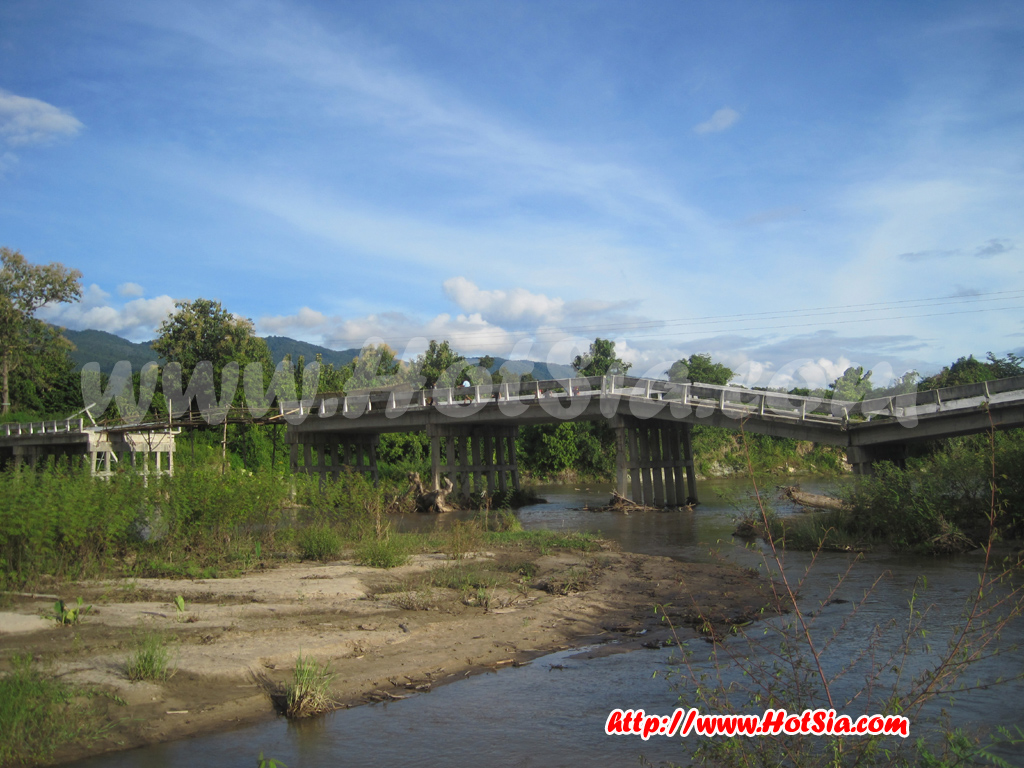
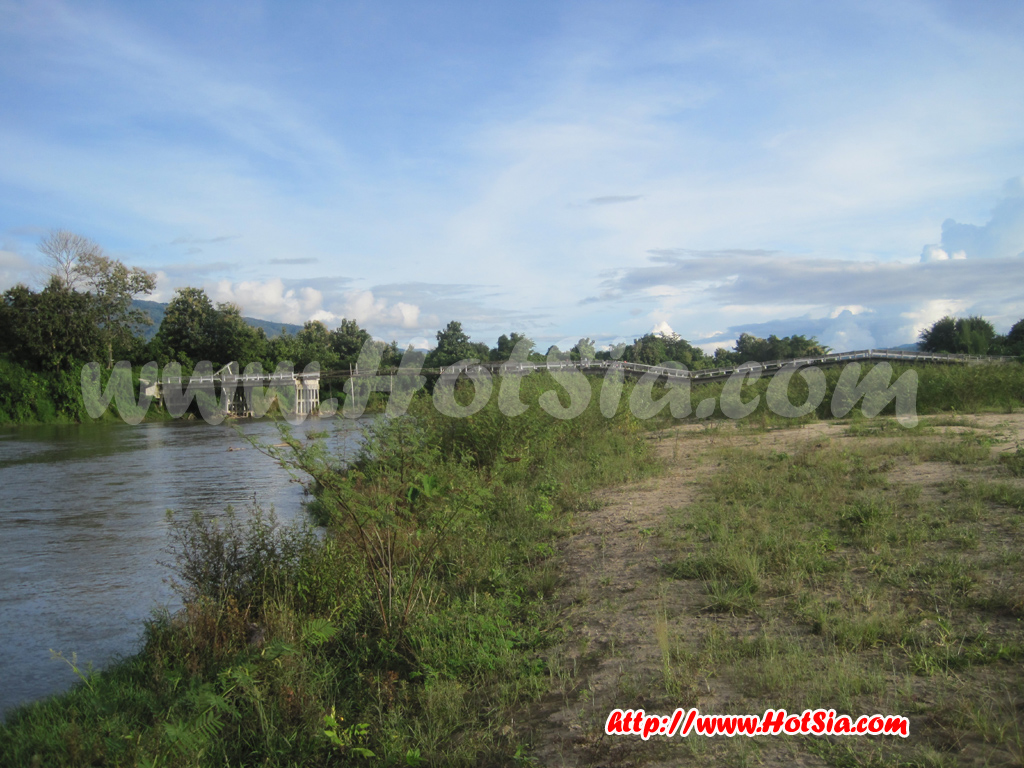
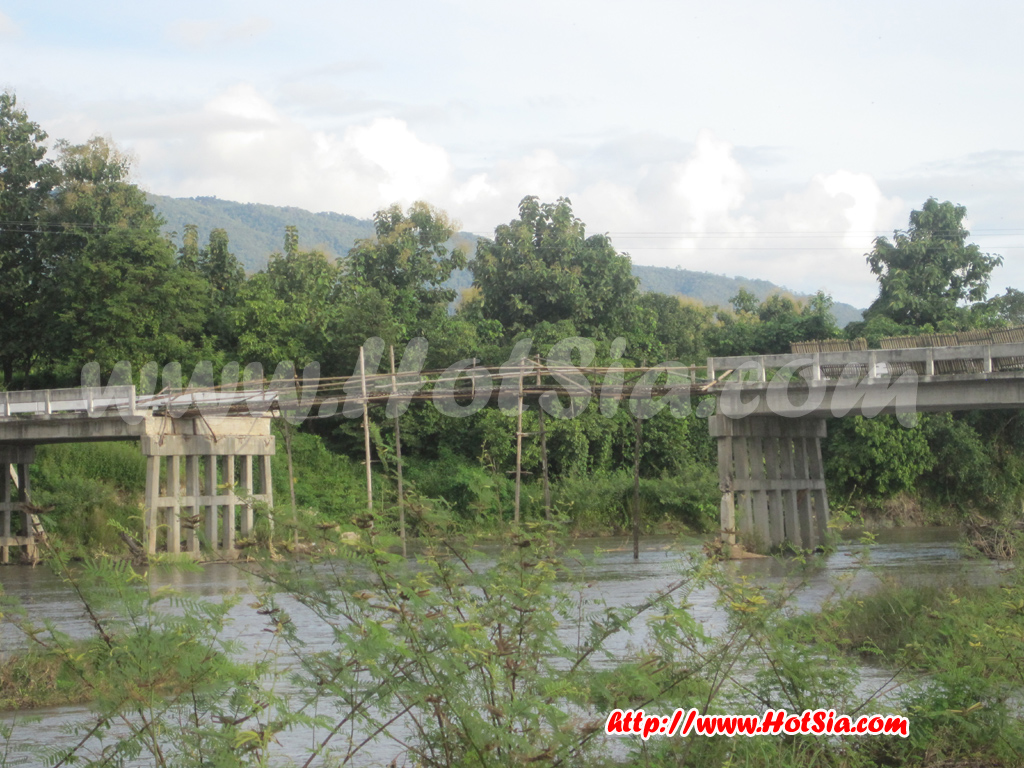
The Mae Tuen River originates from the Omkoi forest, one of Thailand's last intact forests. There is no dam on the Mae Tuen River, so during the rainy season, the water flow is very strong. In 2009, the floodwaters carried logs to the Mae Tuen Bridge, and the force of the water pushed the logs against the bridge, causing it to collapse and break into two parts. The bridge was immediately separated, and the remaining section also subsided. I visited Mae Tuen in October 2010, and the bridge had not yet been repaired.
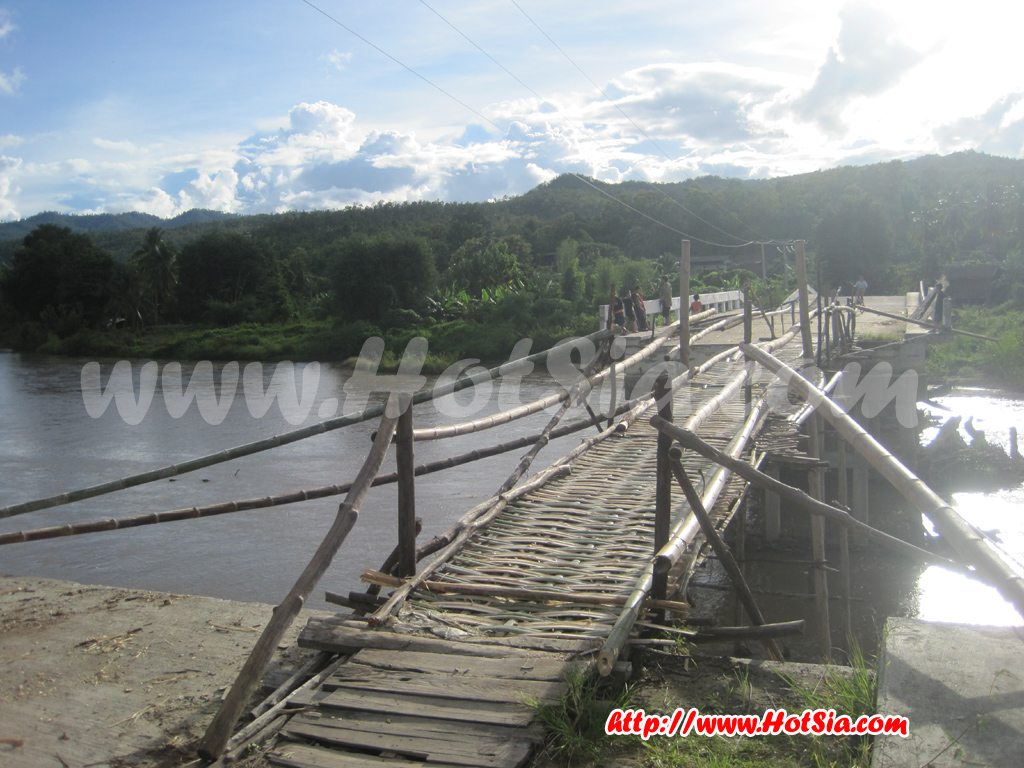
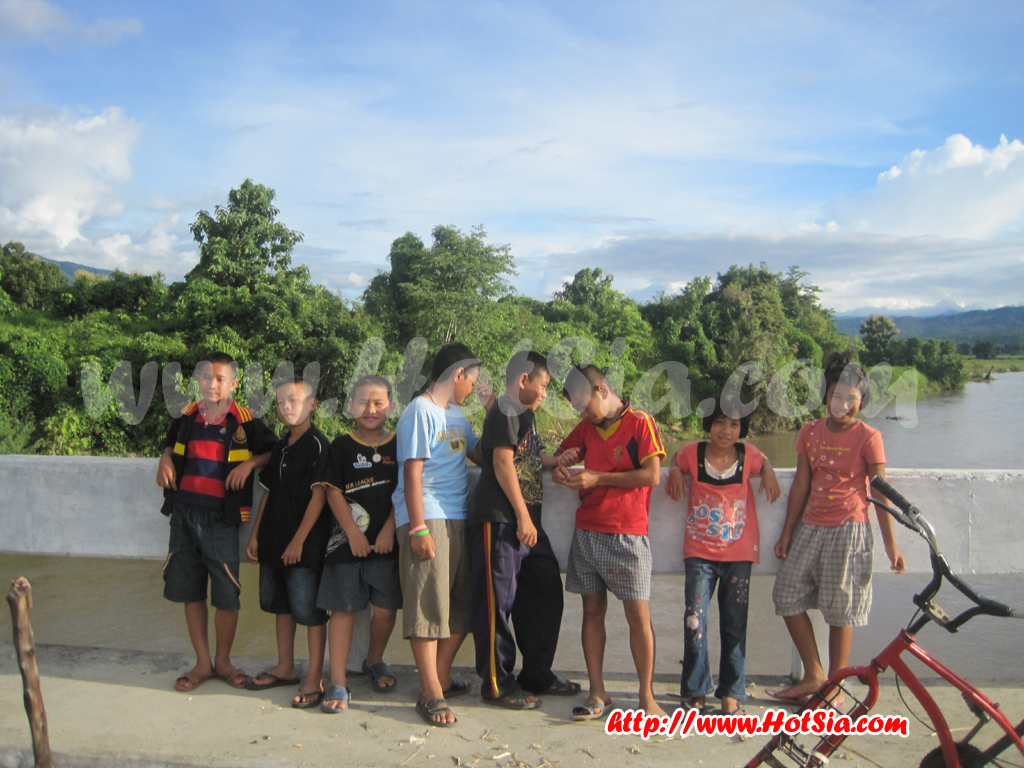
Only the villagers helped by temporarily repairing the bridge with bamboo, allowing connection between the two sides—the side near Doi Mon Jong and the Mae Tuen subdistrict—accessible only by motorcycles. The atmosphere in Mae Tuen is very quiet; there are no 7-Elevens or markets. I walked on the broken bridge and played with children who came to visit this new attraction. I saw villagers fishing in the shallow Mae Tuen River, walking along its banks.
The evening atmosphere was very pleasant, with views of terraced rice fields along the Mae Tuen River and mountains in the background. After playing with the children for a while, I returned to Omkoi and stayed at Omkoi Resort. The forest floodwaters were indeed powerful enough to wash away the bridge. The Mae Tuen River bridge was destroyed by logs carried by the water. This is the boundary of the Chiang Mai Highway District's control. The wooden bridge built temporarily by villagers, children from Mae Tuen playing at the bridge, the Mae Tuen River, and the broken bridge sections.
Mae Tuen River and terraced rice fields on the opposite side. Temporary bamboo bridge built by villagers. Trip by Mr.Hotsia to Omkoi.