ไทย
ไทย
 English

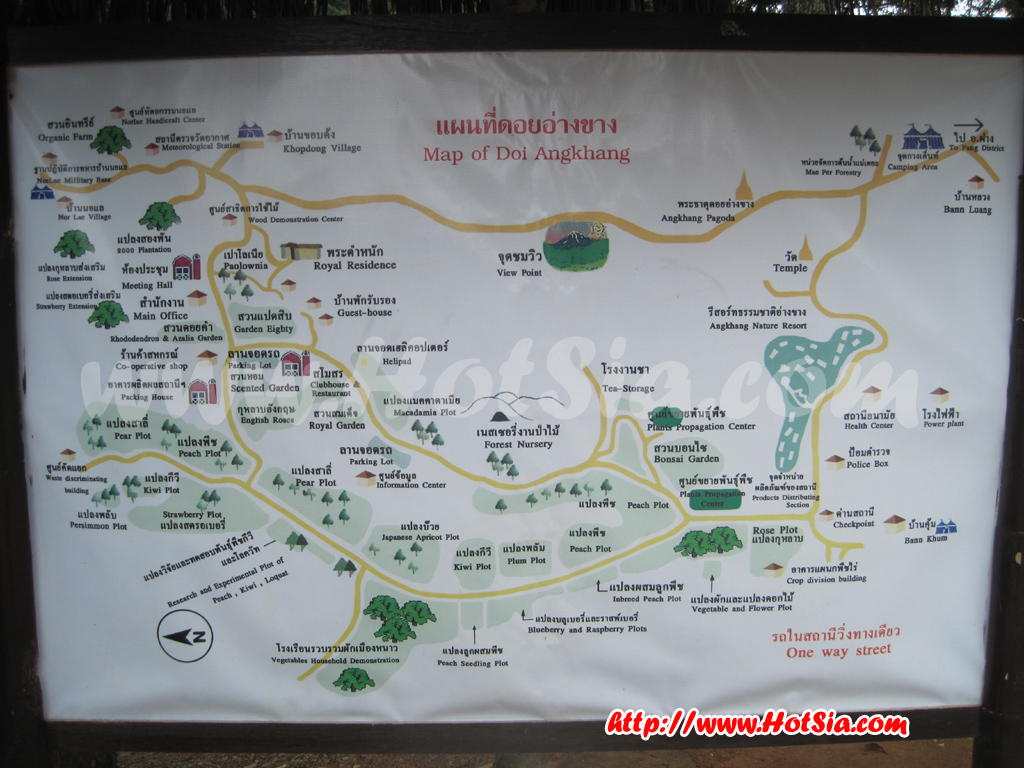
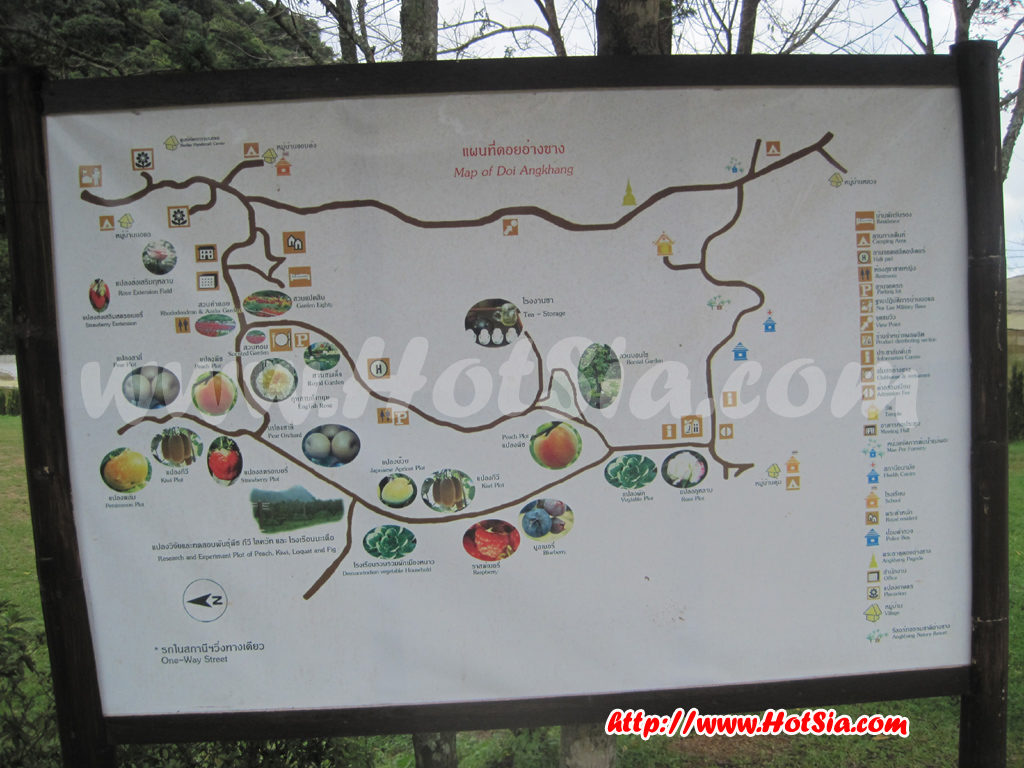
Chiang Mai Doi Ang Khang Doi Ang Khang Map
http://www.hotsia.com > Doi Ang Khang > Doi Ang Khang Map Travel map of Doi Ang Khang Getting to Doi Ang Khang by bus Travel from Chiang Mai Province to Doi Ang Khang If traveling from Bangkok, take a bus from Mo Chit station to Chiang Mai city. The bus stops at Chang Phueak Bus Terminal. From Chiang Mai city to Ang Khang, take the Chiang Mai-Fang or Chiang Mai-Tha Ton bus line.
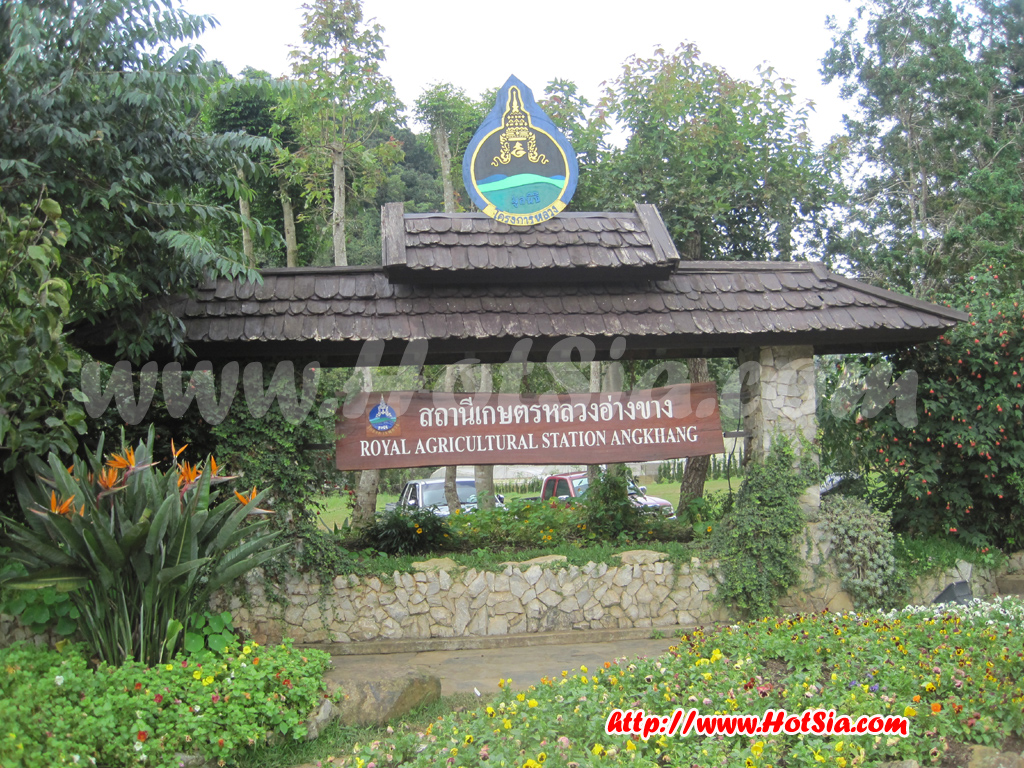
At Chang Phueak Bus Terminal, tell the bus conductor to drop you off at the entrance to Doi Ang Khang, in front of Wat Hat Samran at kilometer 137. The fare from Chiang Mai to the entrance of Ang Khang is about 100 baht and takes approximately 4 hours. Then hire a songthaew, van, or motorcycle to go up Doi Ang Khang. Alternatively, take a van from Chiang Mai city to Ang Khang at Chang Phueak Bus Terminal on the Chiang Mai-Tha Ton line. VIP fare is 150 baht, regular 130 baht.
If you have a lot of luggage, you can leave it at the van station. The trip takes 2.5 hours to reach in front of Wat Hat Samran at kilometer 137. Then hire a songthaew, van, or motorcycle to go up Doi Ang Khang. Traveling from Chiang Rai Province - If traveling from Bangkok, take a bus from Mo Chit Bus Terminal departing around 18:00-19:00. The fare is about 500-600 baht (first-class air-conditioned bus with 36 seats). The bus ends at Chiang Rai Bus Terminal near Chiang Rai Night Bazaar.
Traveling from Chiang Rai to Doi Ang Khang may be less convenient than from Chiang Mai city because you need to transfer about 5 times before reaching the entrance to Doi Ang Khang. Starting from Chiang Rai Bus Terminal to Mae Chan District, take a small bus covering about 30 kilometers with a fare of 17 baht and a travel time of about 40 minutes. Get off in front of Mae Chan District Office, then cross the roundabout to the yellow songthaew queue for Mae Chan-Kiwsai.
Most passengers at this queue are traditional hill tribe people (Shan Thai). Their clothing and culture remain traditional, which is rare to see. The bus departs on schedule. During the trip, passengers board continuously. The total distance is 31 kilometers, but since it is uphill, the bus takes longer than usual. The driver drives at about 40-50 km/h, taking 1 hour and 10 minutes with a fare of 30 baht.
The bus ends at the entrance to Doi Mae Salong, where there is another yellow songthaew queue named Mae Salong-Tha Ton. This route is winding and mostly downhill, covering 30 kilometers in about 1 hour and 10 minutes with a fare of 30 baht (as of 19/4/2007). When reaching the destination, it is near Wat Tha Ton (about 2 kilometers from Wat Tha Ton). There is another songthaew queue named Tha Ton-Fang with frequent departures, covering about 30
kilometers with a fare of 20 baht and a travel time of 30-40 minutes. Upon arriving at Fang town, there is another yellow songthaew queue near the Tha Ton-Fang queue. Take the yellow songthaew named Fang-Chai Prakan. Before boarding, tell the driver you want to get off at the entrance to Doi Ang Khang, which is 8 kilometers before Chai Prakan town. The distance is about 15-20 kilometers, taking about 20 minutes with a fare of 10-20 baht. When reaching the entrance to Doi Ang Khang in front of Wat Hat Samran (the temple is on the right side),
Entrance to Doi Ang Khang Wat Hat Samran - Inside the temple area, there is a white songthaew queue for tourists going up Doi Ang Khang. The songthaew does not run on a fixed schedule; it departs only when tourists rent the entire vehicle. The fare per trip is about 600 baht (one way; round trip about 1200 baht, and if including a scenic tour to watch the sunrise, an additional 300 baht is charged). Additionally, motorcycle services are available opposite the temple entrance. The fare going up is 200
baht. For the way down, rely on local villagers' vehicles and help cover fuel costs (100 baht is the standard price for hitching a ride down with locals). Traveling by airplane There are two flight options: Bangkok-Chiang Mai (about 1 hour) and Bangkok-Chiang Rai (about 1 hour 15 minutes). Considering the distance from both airports to Doi Ang Khang is similar
(about 160 kilometers from Chiang Mai Airport and 164 kilometers from Chiang Rai Airport). However, for convenience, it is better to fly into Chiang Mai Airport and then take the Chiang Mai-Tha Ton bus, getting off at Wat Hat Samran to reach the entrance to the mountain. If flying into Chiang Rai Airport, you must transfer to 5 different bus lines to reach the mountain entrance. Also, there is no public bus from the airport to the city; only airport taxi services are available, starting at 200 baht.
If lucky, you might catch a tuk-tuk that just dropped off passengers at the airport. The tuk-tuk fare from the airport to the city bus terminal is about 100 baht (some tuk-tuks may refuse passengers to avoid conflicts with airport taxis). The route from Chiang Rai to Ang Khang may be inconvenient.
However, using this route offers beautiful scenic views of the landscape and insights into the lives of locals and fellow passengers. Especially the Mae Chan-Kiwsai route, where you can see mountain scenery and mostly hill tribe passengers. You will observe their simple lifestyle, traditional clothing, and belongings (since the yellow songthaew seats face each other on the left and right sides of the vehicle).