ไทย
ไทย
 English

Travel Chiang Mai Wiang Haeng Tai Yai Shan History Shan State
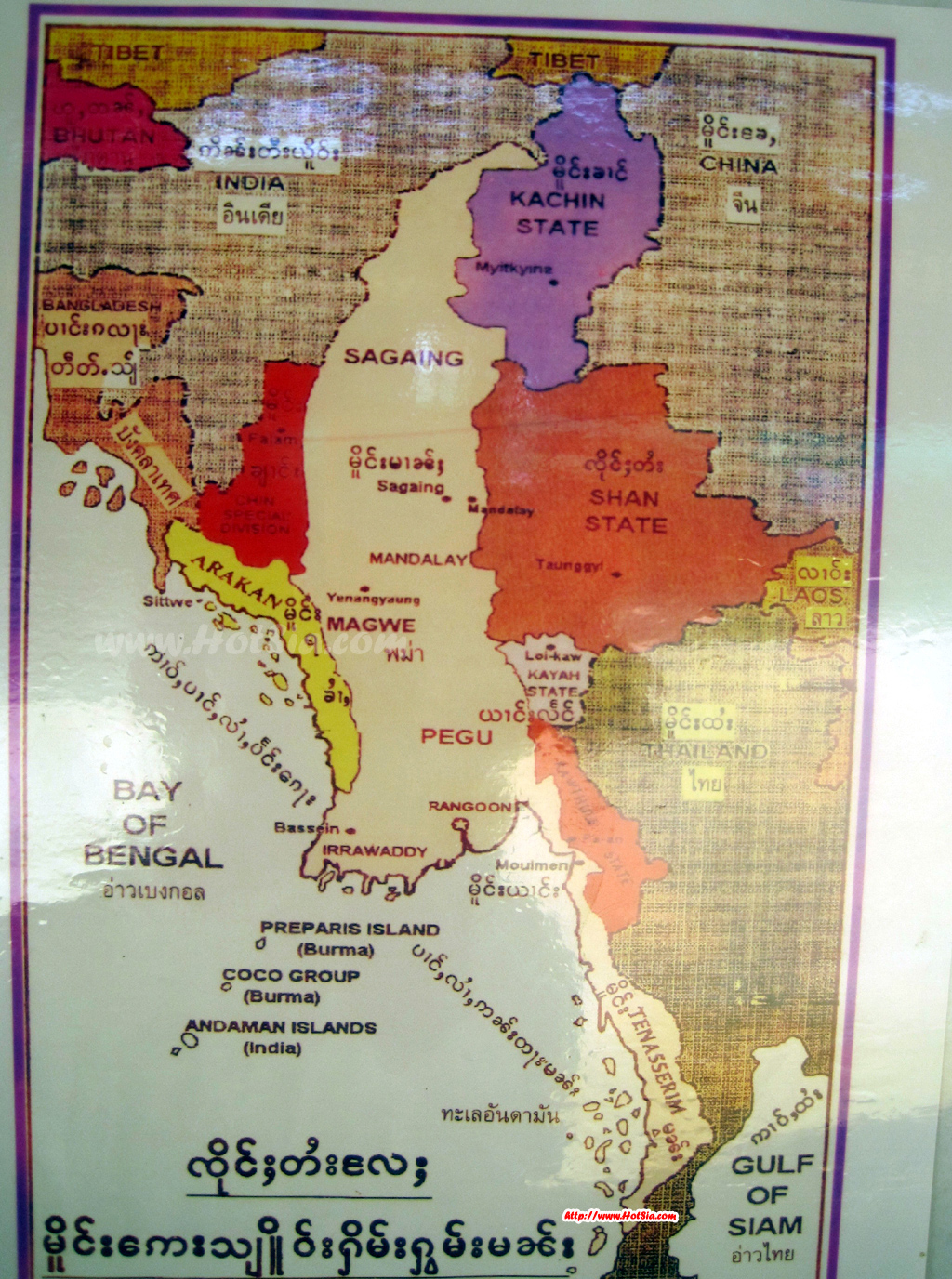
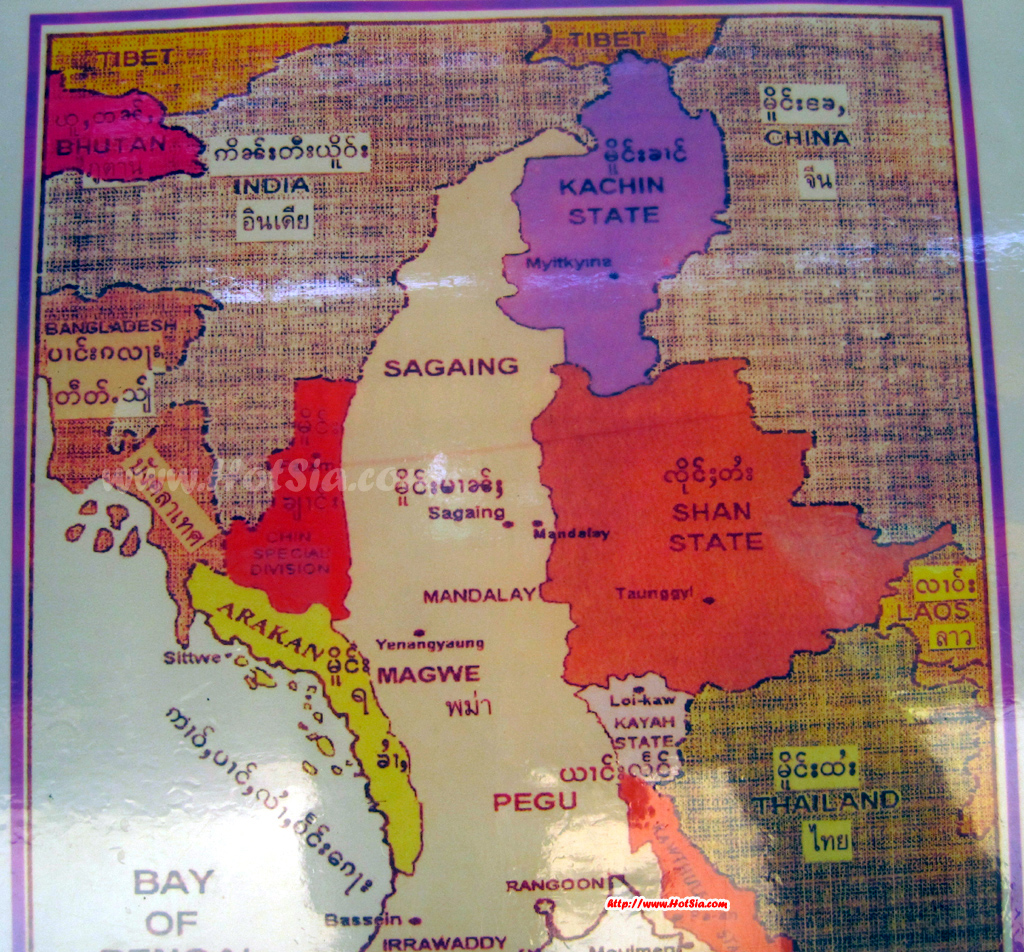
Tai Yai Shan History Shan State http://www.hotsia.com > Wiang Haeng > Tai Yai Shan History Shan State Tai Yai or Shan (Tai Yai: ไต๊, Burmese: ရ္ဟမ္းလူမ္ယုိး; IPA: [ʃán lùmjóʊ]; Simplified Chinese: 掸族; Pinyin: Shàn zú) is an ethnic group of the Tai-Kadai language family, the second largest ethnic group in Myanmar. Most live in Shan State, Myanmar, with some residing around Doi Tai Laeng on the Thailand-Myanmar border.
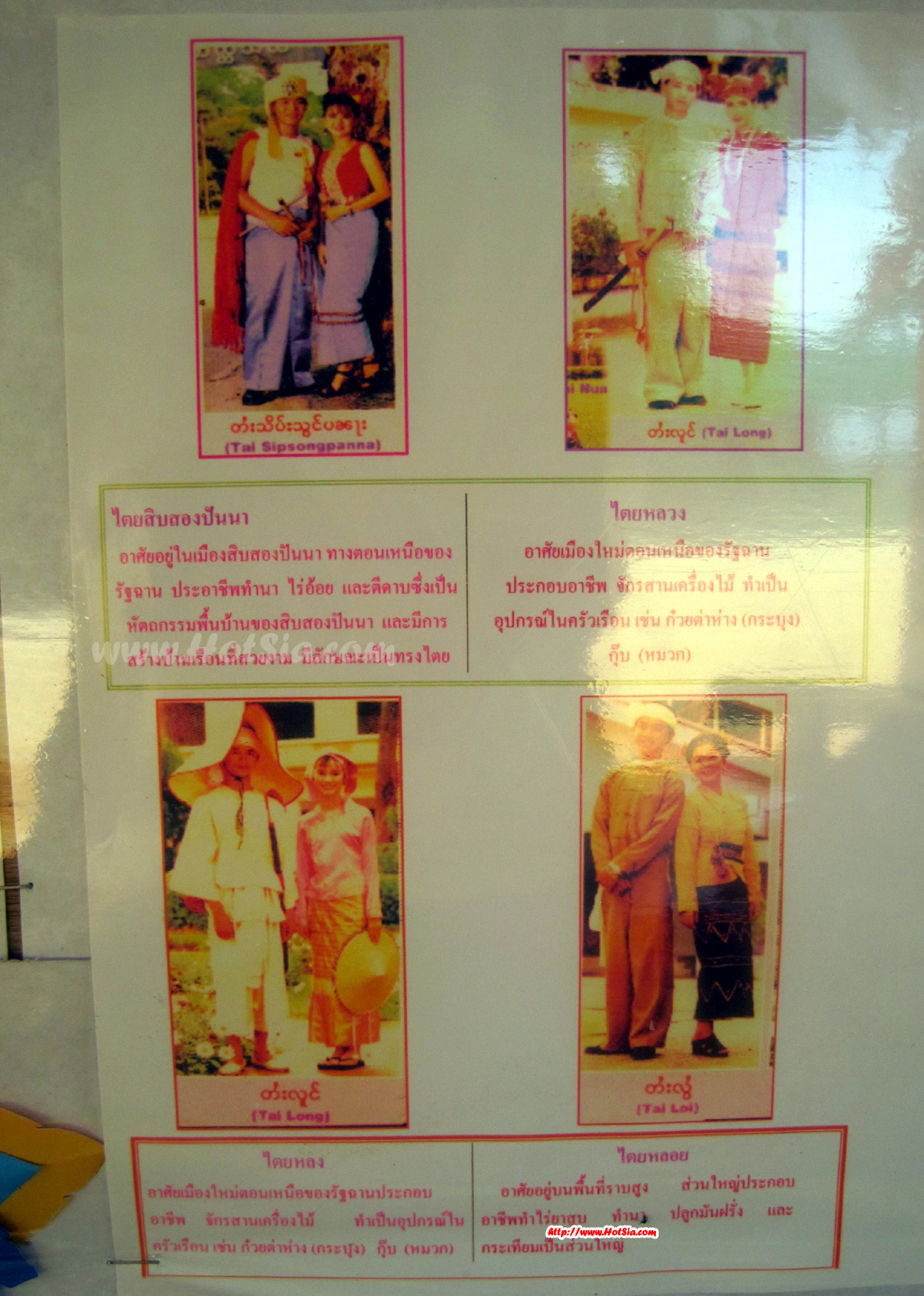
There are about 3 to 4 million Tai Yai in Myanmar, with several hundred thousand having migrated to Thailand to escape political issues and seek work. In their own language, they call themselves Tai or Tai (in Thai accent). The Tai Yai in Myanmar include several groups such as Tai Khun, Tai Laeng, Tai Kamti, Tai Lue, and Tai Mao, with the largest group being Tai Long. Tai means Thai and Long (Luang) means big, which is why they are called Tai Yai. Thus, Tai and Thai languages share similarities but are not identical.
Another name for Tai Yai is Ngeaw, but this is considered disrespectful. Tai Yai people celebrate their national day on February 7. The capital of Shan State is Taunggyi, a small city with about 150,000 people. Other important cities include Hsipaw, Lashio, Kengtung, and Tachileik. The Tai Yai can be divided into four groups: 1. Tai Yai or Tai Long (Tai Luang) 2. Tai Lue, residing in Sipsong Panna, China
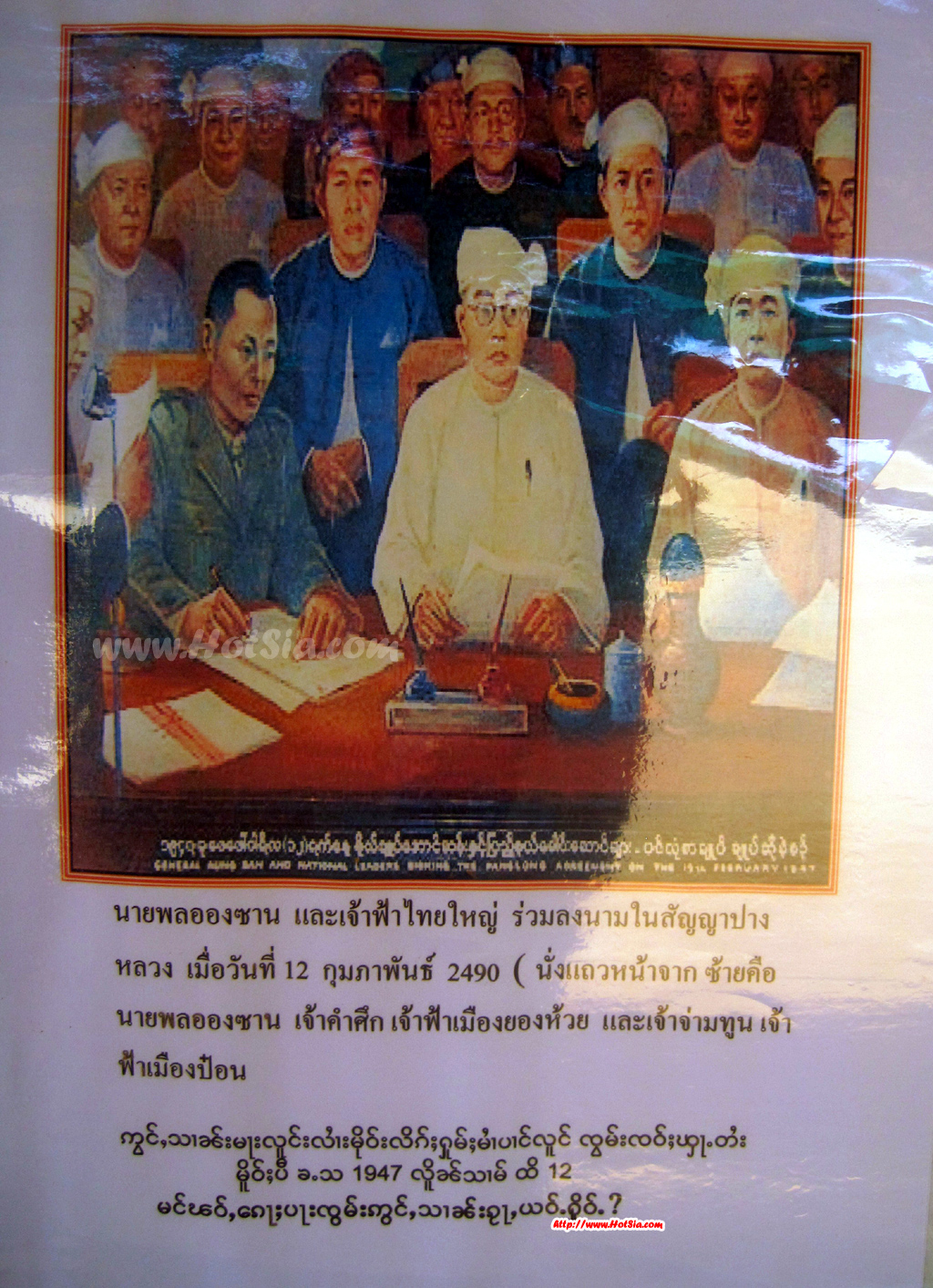
and eastern Shan State 3. Tai Khun (Tai Khun) who are the majority in Kengtung 4. Tai Neua (Tai Lue) living in southern Dehong, China. Tai Yai history is full of wars and recent history has been suppressed by Myanmar. Learning Tai Yai history has been forbidden since British rule, with history not allowed as a compulsory subject.
When Myanmar regained control over Shan State, this policy continued. Tai Yai must learn Burmese and all subjects are taught in Burmese. Even those who do not attend school but go to temples follow Burmese rituals and use Burmese language exclusively. Burmese cultural influence on Tai Yai is strong and linked to historical and political factors.
When Myanmar became dominant, Shan princes were required to send their sons and daughters to the Burmese capital. These princes unknowingly absorbed Burmese culture and brought it back to the Tai Yai people through language, music, dance, and customs. It became popular to blend Burmese words with Tai in literature. Burmese culture thus framed Tai Yai society, even though Tai Yai language was allowed to be taught in the past,
Tai Yai language was only an elective subject with no exams or grade accumulation. However, Tai Yai people suffered because they could not fully use their own language. Education was in Burmese, a very different language, making it difficult to master both. Due to neglect of their own language, maintaining Tai Yai national unity has been challenging.
Chao Khun Sam, a former Shan cultural officer, surveyed Tai people in Myanmar and found many spoke Tai Yai in various places but exact numbers were unclear because many identified as Burmese, spoke Burmese, dressed Burmese, and only at home could their preservation of Tai Yai language and culture be assessed. The Shan (Shan: တႆး; IPA: [tɑ́ɪ], Burmese: ရှမ်းလူမျိုး; [ʃán lùmjó]; Chinese: 掸族 or 傣族; pinyin: Shànzú)
are a Tai ethnic group of Southeast Asia. The Shan live primarily in Shan State of Myanmar, but also inhabit parts of Mandalay Division, Kachin State, Kayin State, and adjacent regions of China and Thailand. Though no reliable census has been taken in Myanmar since 1935, Shan are estimated at about 6 million. The capital of Shan State is Taunggyi, a small city of about 150,000
people. Other major cities include Thibaw (Hsipaw), Lashio, Kengtung. The Shan people can be divided into five major groups: The Tai Yai (တႆးယႂ်ႇ) or "Shan Proper"; The Tai Lue (တႆးလိုဝ်ႉ), located in Sipsong Panna (China); The Tai Khuen (တႆးၶိုၼ်), majority in Kengtung; The Tai Neua (တႆးၼိူဝ်), mostly in Dehong (China); The Tai Khamti, mostly in Assam and Manipur.
Most Shan are Theravada Buddhists and are one of the four main Buddhist ethnic groups in Myanmar; others are Bamar, Mon, and Rakhine. Most Shan speak Shan language and are bilingual in Burmese. Shan language, spoken by about 5 to 6 million, is closely related to Thai and Lao and part of the Tai language family. It is spoken in Shan State, parts of Kachin State, Sagaing Division in Myanmar, parts of Yunnan, and northwestern Thailand including Mae Hong Son and Chiang Mai provinces.
The two major dialects differ in tones: Hsenwi Shan has six tones, Mongnai Shan has five. Shan script is adapted from Mon script via Burmese script. However, few Shan are literate in their
language. The Shan are traditionally wet-rice farmers, shopkeepers, and various topics in the Travel Wiang Haeng series: Chiang Tung noodles, Ban Rabiang Mai Resort, and notable Tai Yai figures including Khun Sad. Mr.Hotsia's trip to Wiang Haeng, Poi Tian, Tai Yai Festival The SHAN / Tai Yai (Shan)