ไทย
ไทย
 English

Chiang Mai Visit Saen Thong Omkoi Temple
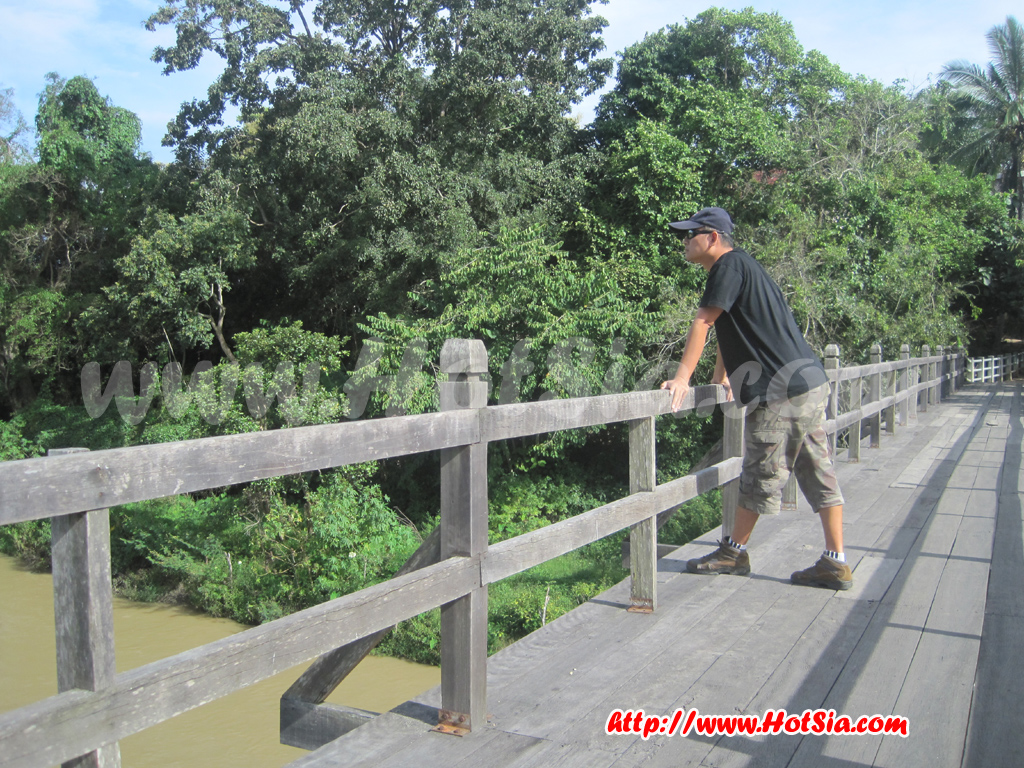
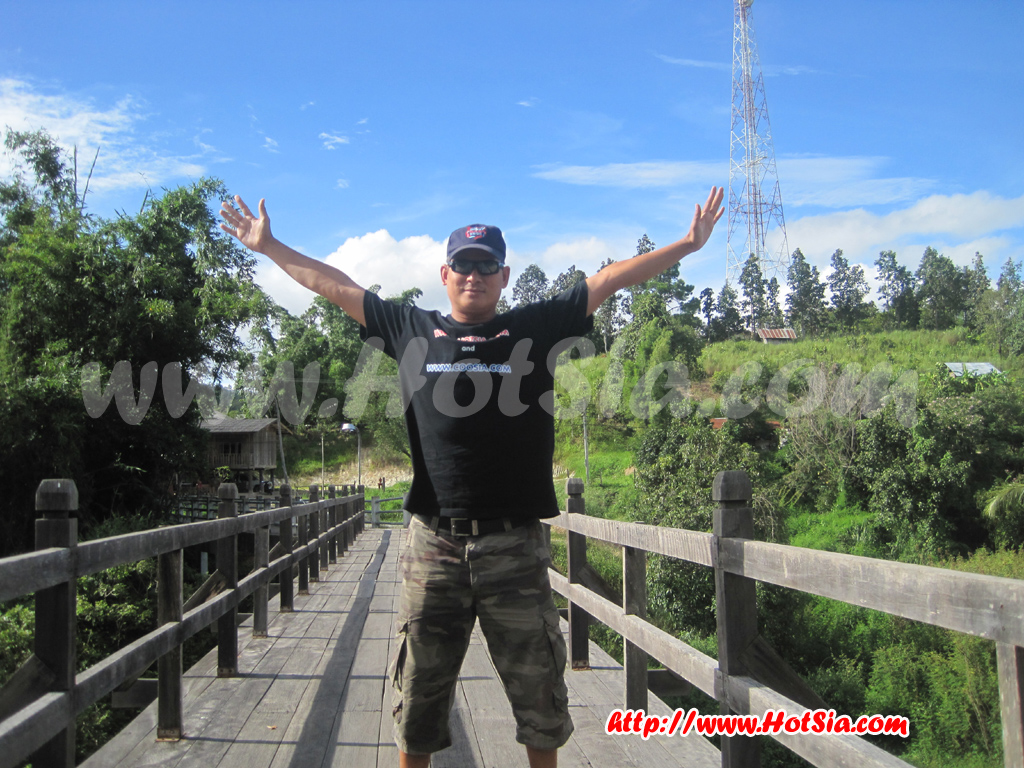
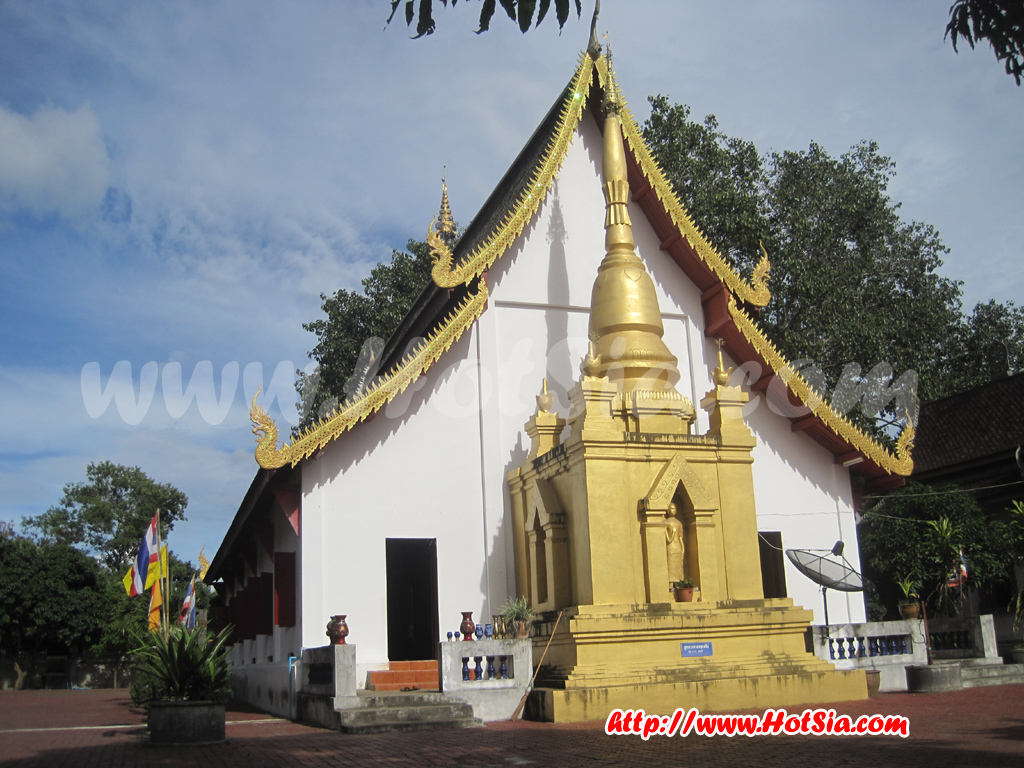
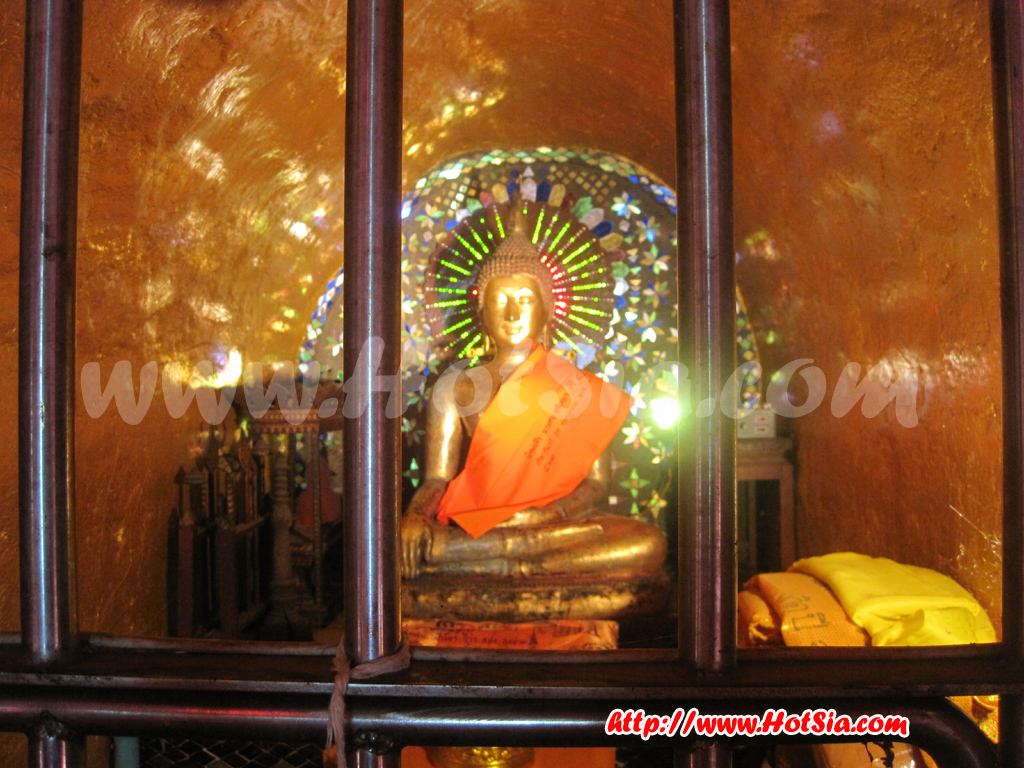
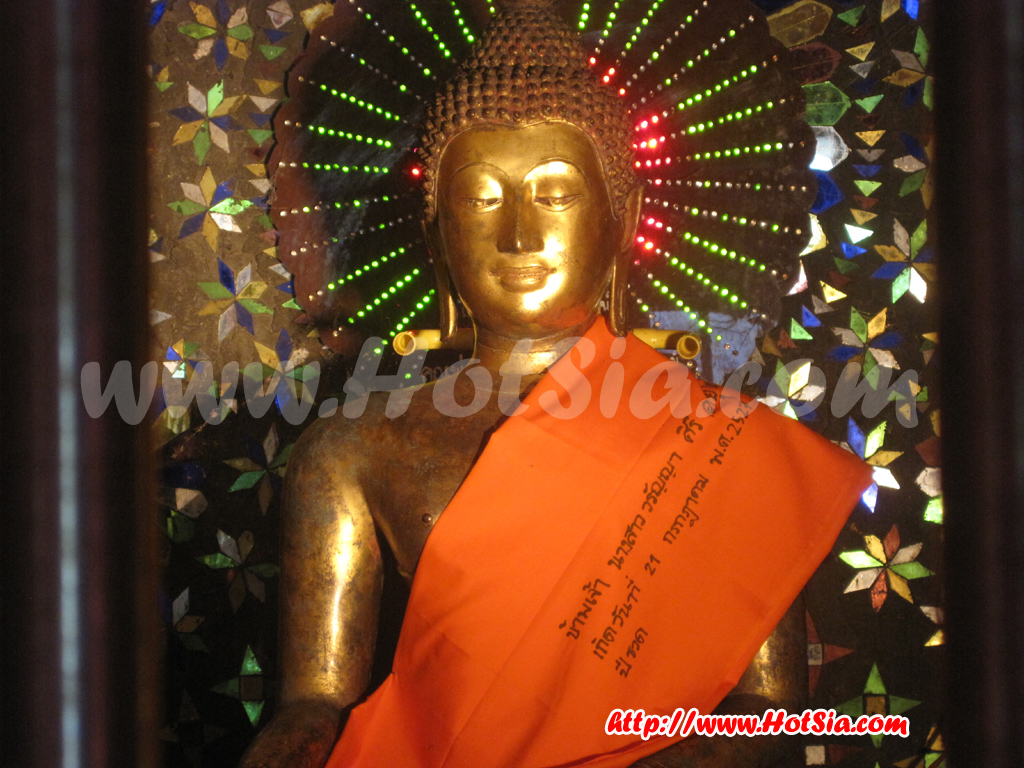
Visit Saen Thong Omkoi Temple http://www.hotsia.com > Chiang Mai > Visit Saen Thong Omkoi Temple. If you come to Omkoi, one place you should visit to pay respects is Phra Chao Saeng Thong at Saeng Thong Temple. When I arrived in Omkoi, I don’t know what inspired me to park at the wooden bridge and take photos until I discovered this temple without prior knowledge that it is the official temple of Omkoi district. This temple houses Luang Pho Saen Thong or Phra Chao Saen Thong, who is greatly revered by the people of Omkoi.
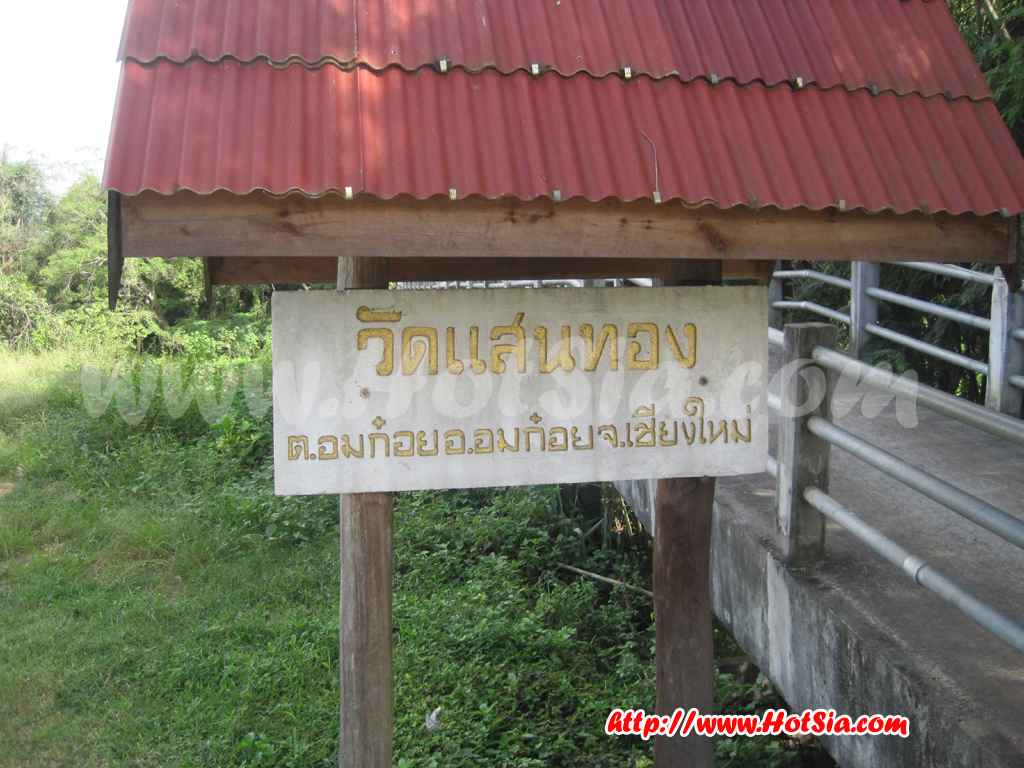
I took photos of the wooden bridge before walking to pay respects to Phra Chao Saen Thong, which is beautifully gilded in bright gold. The temple preserves it very well. The history of Phra Chao Saen Thong is remarkable. I obtained information from the Omkoi district website and have included it below. Let’s look at the history of Phra Chao Saen Thong. Phra Chao Saen Thong is a Chiang Saen era Buddha statue. There is no record of when it was created. According to oral traditions passed down by many elders of Omkoi, such as:
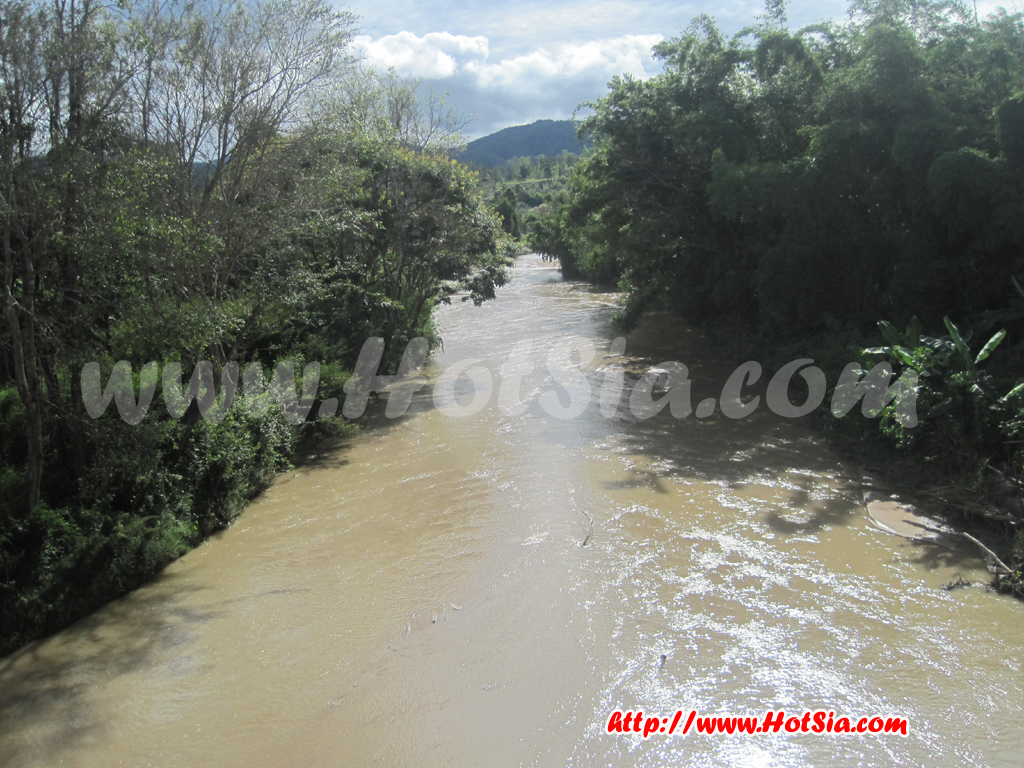
Phor Nan Kham Pan, former abbot of Saen Thong Temple, and Phor Nan Srirat said that originally Phra Chao Saen Thong was a Buddha statue from the central region, around Lavo and Lopburi. Queen Cham Thewi, ruler of Lamphun city, brought it north. In the past, transportation was difficult. Ancient people used boats for transport, which was the most convenient waterway travel, powered by human rowing without engines.
Once, Queen Cham Thewi was invited by the ruler of Chiang Mai to govern Lamphun city. Before she arrived in Lamphun, five hermits joyfully collaborated to create the Mahawan Phra Rod of Lamphun. Their purpose was to honor and celebrate the glory of Queen Cham Thewi. The five hermits united their minds and created five types of Phra Rod amulets: large, small, medium, thick, and shallow molds.
They then presented these to Queen Cham Thewi at the Mae Tom River in Omkoi. After receiving the Mahawan Phra Rod, she distributed them to her soldiers. Once, during a war with the Burmese who invaded Lamphun, her soldiers carried the Phra Rod amulets as talismans, which boosted their morale and courage. They fought the Burmese successfully, becoming invincible—immune to bullets, cuts, and stabs. The fame of Phra Rod Mahawan continues to this day.
Today, collectors highly value the Phra Rod amulets from the five hermits’ era. Before Queen Cham Thewi came to rule Lamphun, according to oral history, she traveled by boat along the Ping River and brought Phra Chao Saen Thong with her. Upon reaching Doi Koeng in Hod district, she enshrined Phra Chao Saen Thong at Doi Koeng Temple. Later, during a war with the Burmese, she ordered Phra Chao Saen Thong to be hidden in the forest near Doi Koeng Temple.
The place where Phra Chao Saen Thong was hidden is now called "Huai Saen Thong." About 700 years ago, the Lawa tribe settled in Omkoi and brought Phra Chao Saen Thong to Omkoi, enshrining it at Saen Thong Temple. They were deeply devoted to Buddhism, as evidenced by the fact that every Lawa village built a temple.
For example, on Doi Mon Jong and Doi Mu Se, there are ruins, brick remains, and old temples. Some sites have circular shapes used for ceremonies, such as funeral rites for village leaders or respected persons, involving circumambulation called "Pradaksina." These sites are usually on high hills where the deceased are buried with a surrounding circular trench about 1-2 ngan in size per grave. The Lawa strictly observe these traditions. During Songkran festival, they honor their leaders by circumambulating the graves and chanting according to their customs.
About 450 years ago, the Lawa people migrated elsewhere, leaving only ruins and remains of temples for future generations to discover. Then, lowland Thai people (Khon Mueang) from Ban Meed Ka, Doi Tao district, migrated to settle along the Mae Tueng river plains.
In the past, Phaya Inta held the position of Phor Khun of Omkoi, now called village headman. Phor Khun Inta was influential and respected as a wealthy landowner of Omkoi. He owned elephants used for transport and work. Once, he wanted to move Phra Chao Saen Thong because he feared that Saen Thong Temple would lack monks to care for it. During the relocation, they had to cross the Mae Tueng river.
No matter how the mahout urged the elephant, it refused to move forward and kept circling, unable to bring Phra Chao Saen Thong to the new location. Phaya Inta then ordered the statue to be returned to Saen Thong Temple. The sacredness of Phra Chao Saen Thong may have foreseen that this village and temple would prosper and develop into the official temple of the district within the last 30 years.
Once at Saen Thong Temple at night, a thief tried to steal the relic hair of Phra Chao Saen Thong, which can be removed. After the thief took the relic hair, he got lost inside the temple hall and could not find the way out. He had to return the relic hair before he could leave. This miracle is widely accepted by the faithful people of Omkoi district. Therefore, Phra Chao Saen Thong has always been the guardian Buddha of Omkoi district.
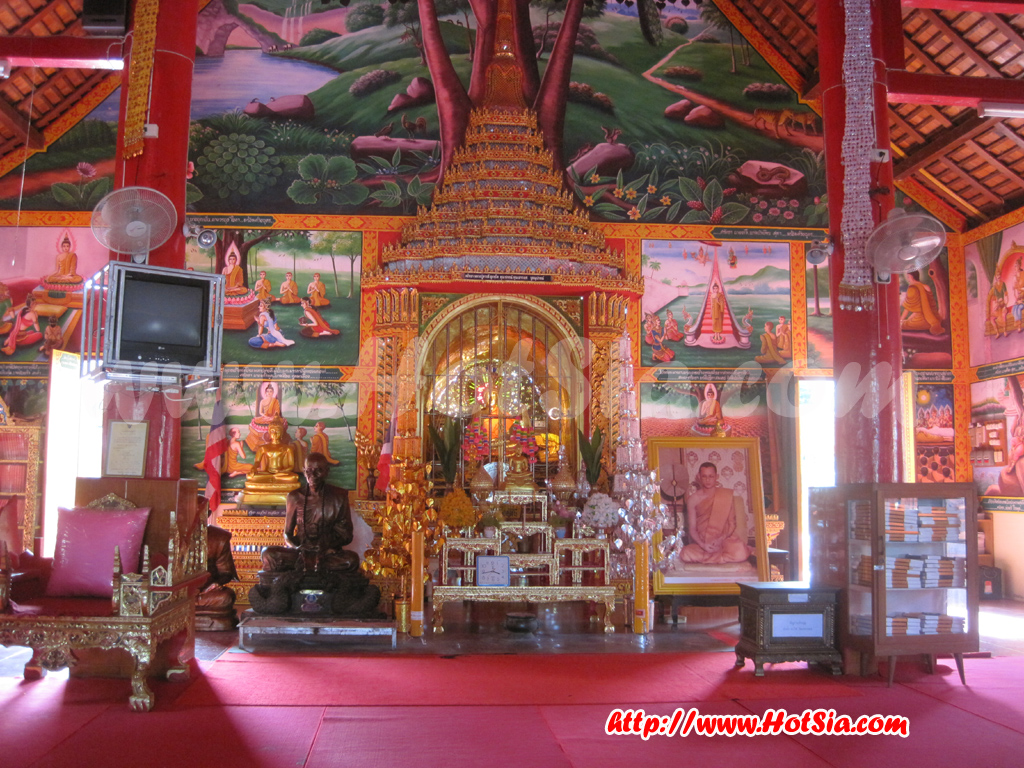
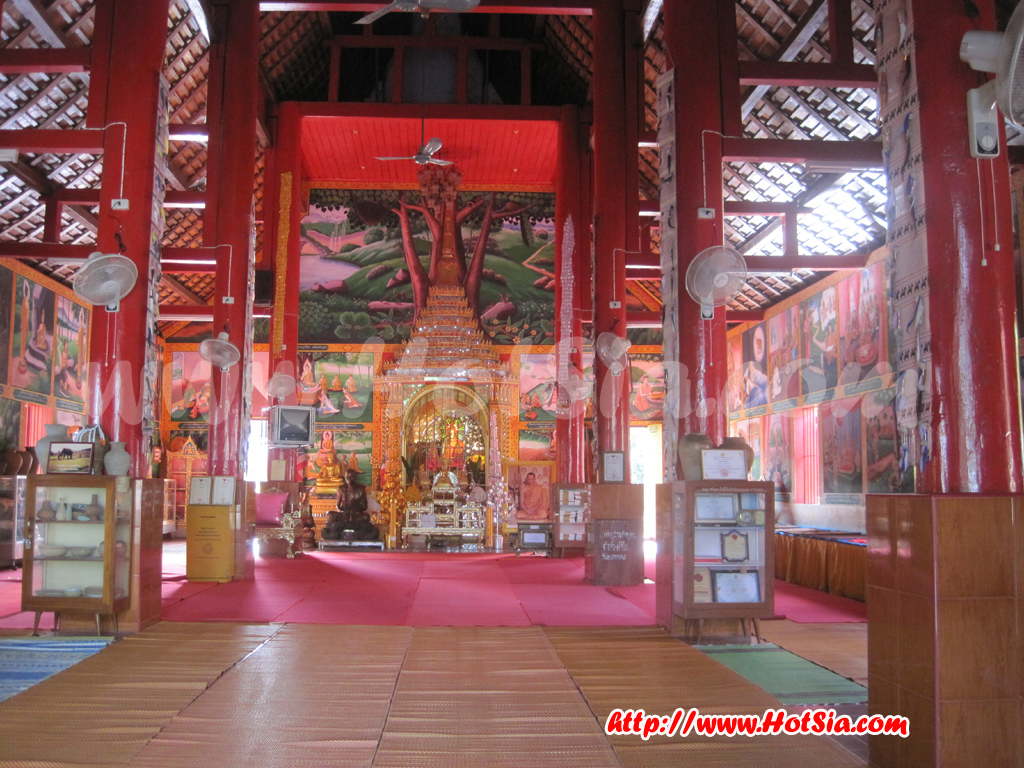
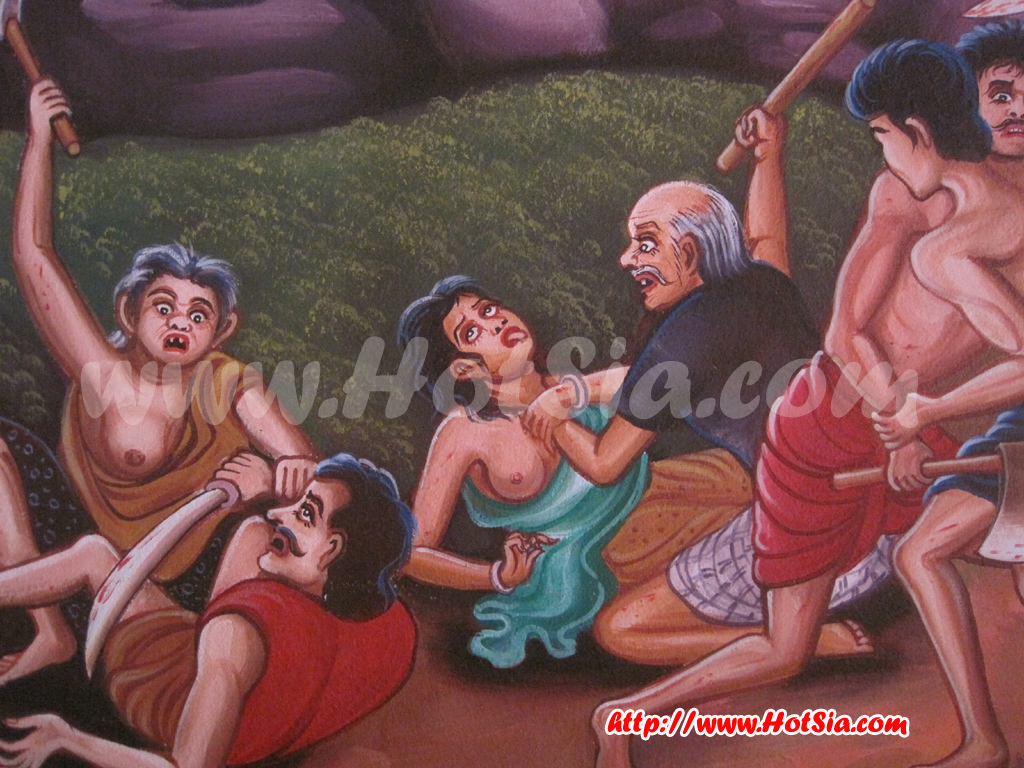
It is a Buddha statue that offers protection and is a refuge for the people, as the Omkoi district motto says: "Under the shade of Phra Saen Thong, Doi Mon Jong stands tall, abundant wildlife, and diverse tribal traditions." Thanks to http://www.omkoiinfo.com for some information. Saen Thong Temple, the official temple of Omkoi district, Phra Chao Saen Thong revered by the people of Omkoi, Saen Thong Temple sign by the roadside, wooden bridge crossing to Saen Thong Temple, well-preserved Phra Chao Saen Thong, mural paintings at Saen Thong Temple.
Trip Mr.Hotsia took to Omkoi